



Living in Amsterdam: Life on the Water Beyond the Postcards
Canals, bicycles, and gabled houses — Amsterdam’s beauty is undeniable, and in 2026 the city still blends historic charm with a contemporary way of life. Beyond the Instagram-worthy streets and tulip clichés, living here means learning the rhythm of riding your bike even when it drizzles, picking up local routines like tram and ferry rides across the IJ, and enjoying golden sunsets along the canals with a drink in hand. Many of the city’s core experiences remain unchanged — compact neighbourhoods, easy access to culture, and a strong cycle culture — while rising housing demand and costs continue shaping how people choose where to live and work in this thriving capital.
Need a place to land while you settle in? Explore our fully equipped serviced apartments in Amsterdam — ideal for stays of one month or more, with all the comforts of home and none of the hassle.
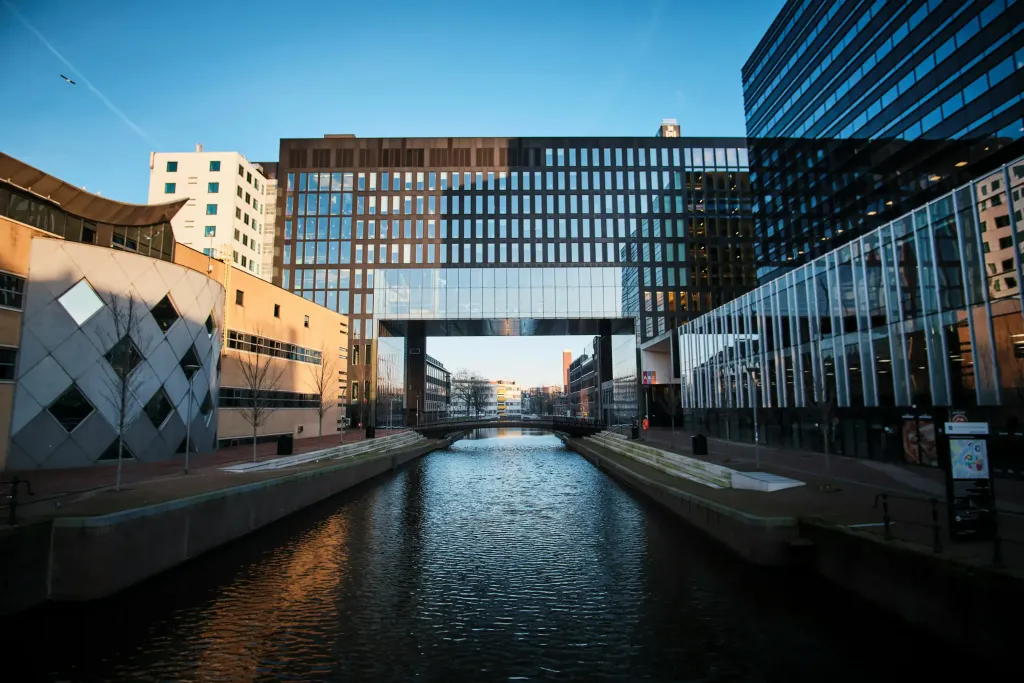
Getting Around Amsterdam: Bikes, Boats & Super Smooth Trams
In Amsterdam, transportation is less about getting somewhere fast and more about moving with the city. Locals don’t commute — they glide. Whether by bike, tram, or ferry, navigating Amsterdam is effortless once you embrace its rhythm.
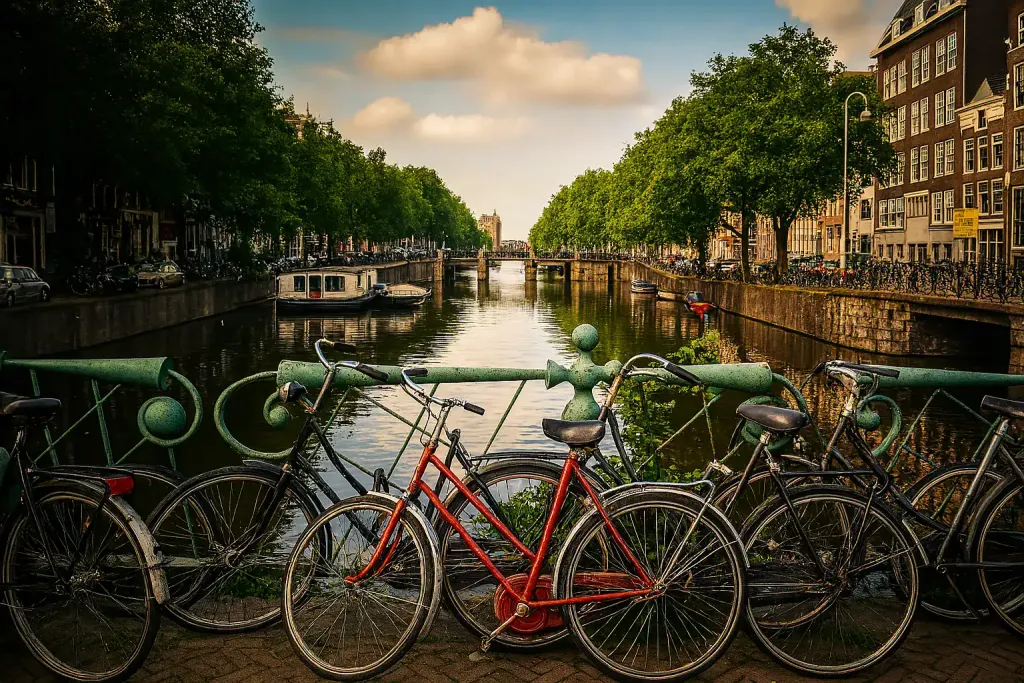
The Bike Reigns Supreme
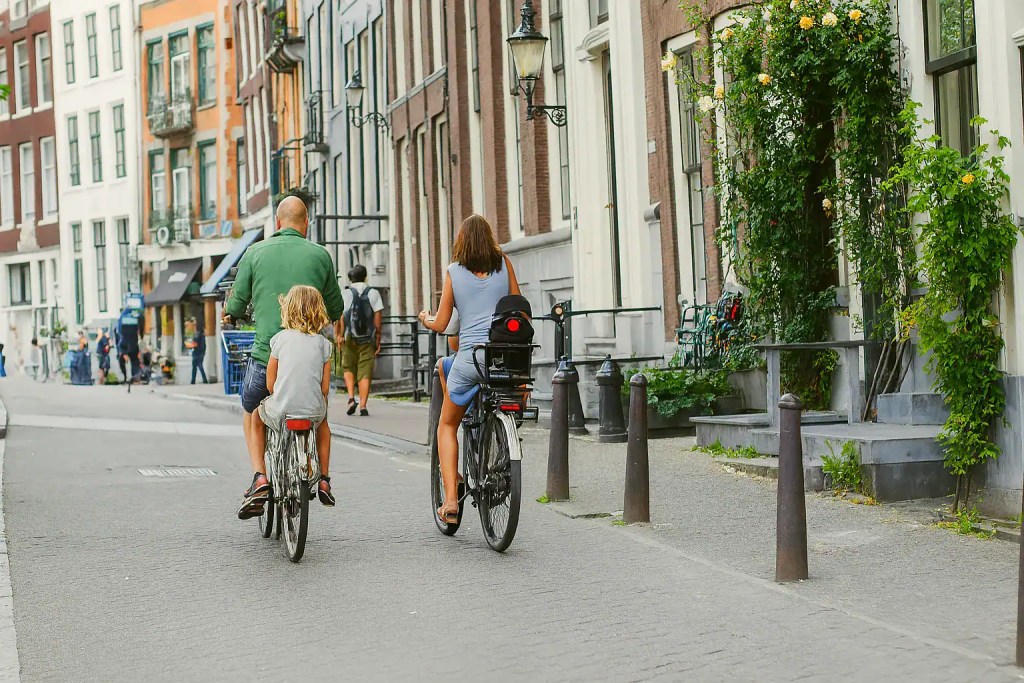
There are more bikes than people in Amsterdam — and you’ll quickly understand why. The city is flat, compact, and perfectly designed for cycling. Dedicated lanes, bike traffic lights, and even multi-storey bike parking garages make it incredibly practical.
But don’t be fooled: Amsterdam cycling is not a casual Sunday pedal. Locals ride fast, signal with silent nods, and expect you to know the rules. (Hint: stick to the right, don’t stop in the middle of a lane, and never walk in the bike path.)
Pro tip: First time cycling in Amsterdam? Brush up on local bike etiquette with Amsterdam’s official cycling rules — yes, there are actual rules (and breaking them might earn you a sharp bell ring or two).
Trams, Metro & Ferries — Clean, Quick, Reliable
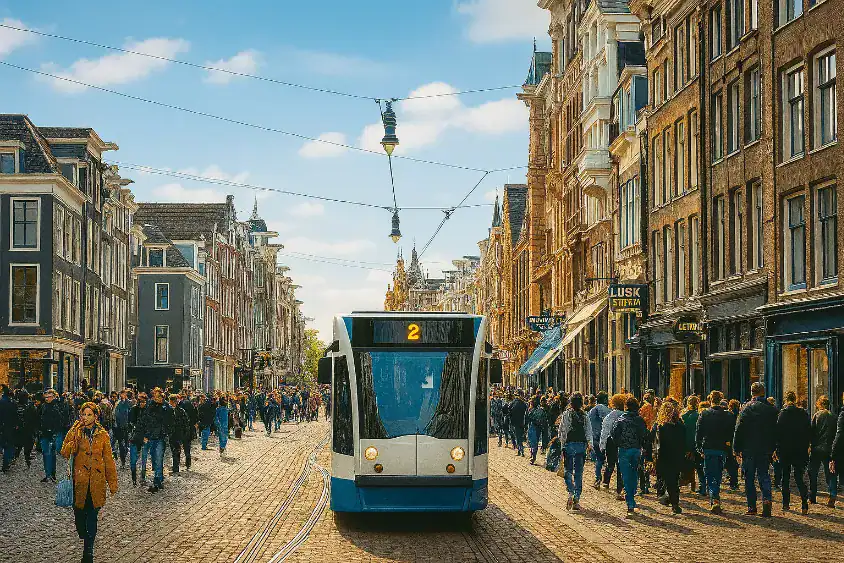
The GVB runs Amsterdam’s trams, buses, and metro — all clean, quiet, and efficient. The trams are especially useful for those rainy days when biking feels like a battle.
Metro: Fast, ideal for reaching suburbs like Amstelveen or Bijlmer.
Trams: Best for day-to-day travel within the ring (centrum).
Ferries: Free and frequent, crossing the IJ to areas like Amsterdam Noord, where art spaces and co-working studios are booming.
Get a rechargeable OV-chipkaart or use contactless debit cards — both work seamlessly on all transport.
Local Insight:
Dutch people living in Amsterdam tend to say “it’s only 10 minutes by bike” — but their definition of “10 minutes” is often Olympic-level pacing. You’ve been warned.
For schedules, routes, and real-time updates, visit the official GVB transport site.
Neighbourhoods to Know — and Possibly Live In
Amsterdam may be small, but its neighbourhoods are distinct worlds of their own — each with its own rhythm, reputation, and coffee preferences. Whether you want leafy quiet, canal-side charm, or industrial-cool vibes, there’s a Kwartier (quarter) for you.
De Pijp
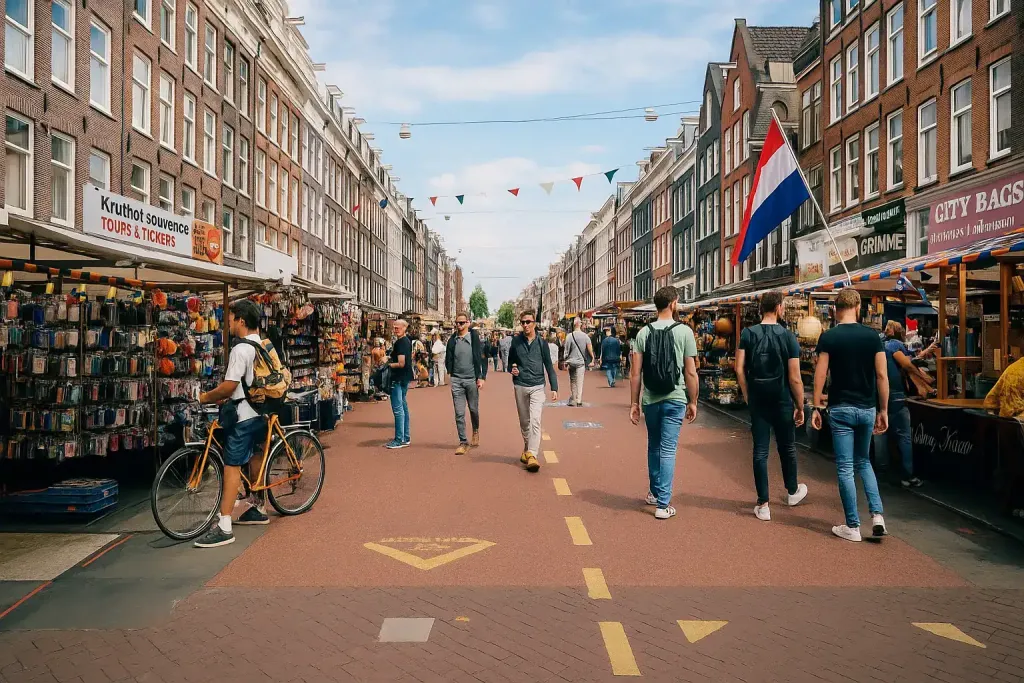
Once working-class, now effortlessly hip, De Pijp is full of indie cafés, Vietnamese lunch spots, boutique gyms, and plant-filled apartments. The Albert Cuyp Market buzzes daily, and Sarphatipark offers a breath of green when the bikes get too much.
Stay nearby: Our Amsterdam Wittenberg Aparthotel offers spacious, stylish units just south of De Pijp — ideal for long stays and easy commuting into Centrum.
Jordaan & Canal Belt (Grachtengordel)
Arguably the most charming part of the city. Think quiet cobbled lanes, canals lined with houseboats, vintage shops, and hidden courtyards. The Jordaan feels like a village in the centre of a capital — and is just far enough from the tourist core to feel local.
Stay close: The Amsterdam Noorderstraat Aparthotel places you minutes from the canals and the leafy elegance of the Canal Belt.
Amsterdam Zuid & Amstelveen
A favourite for business travellers, expats, and families alike. Zuid offers wide streets, high-end shopping at Beethovenstraat, and fast metro access. Nearby Amstelveen blends green suburbs with excellent international schools and modern convenience.
Spacious suburban comfort: Our Amsterdam Amstelveen Uilenstede Aparthotel gives you peace, space, and a fast tram ride into the city centre.
Sloterdijk & the West
Once just a transit hub, Sloterdijk has evolved into a modern district filled with coworking spaces, hotels, and quick access to Schiphol and the business districts. Great for short stays or those who value a fast commute over canal-side charm.
Effortless convenience: Our Amsterdam Sloterdijk Station Aparthotel is located just steps from the station — ideal for professionals and remote workers.


Daily Life & Practical Tips: What Locals Just Get
Living in Amsterdam means learning to live small, cycle fast, and develop a deep appreciation for bread, cheese, and bureaucracy. Here are a few things you’ll notice (or need to know) within your first few weeks:
Cash? Rarely. Cards? Always.
Unlike Berlin, Amsterdam is proudly digital. Card-only shops are common — even bakeries and market stalls often refuse cash. Contactless payments and Apple Pay are the norm, so don’t worry about carrying coins.
Even Dutch vending machines take cards (and somehow feel smug about it). And yes — if you try to pay with cash at a boutique café, prepare for a raised eyebrow and a pointed sign that says “PIN ONLY.”
Bikes Have Right of Way — Always
If you’re walking and hear a bell behind you, move now. Cyclists don’t swerve — they expect you to jump. And if you plan to ride, learn the flow fast. There’s no shame in being a beginner — just don’t ride a rental bike like it’s a parade float.
Bike lanes are fast-moving, unforgiving streams — and don’t expect sympathy if you wander into one while texting. Locals will let you know, loudly, and often in two languages.
Post, Packages & Amazon Culture
Dutch post is reliable — and most apartments use shared parcel boxes or nearby pickup lockers. Local delivery companies like PostNL and Budbee are fast and efficient, but you’ll often need to be home (or make friends with your neighbour).
If you miss a delivery, your package might end up at a nearby shop, with a handwritten note stuck halfway through your letterbox. Or with the upstairs neighbour you’ve never met, who now knows your shoe size.
Appointments for Everything
From banking to registering your address, don’t expect to “just walk in.” You’ll need to book appointments in advance for nearly everything — often online, sometimes weeks out.
But once you do, it’s usually fast and polite. Very Dutch. No small talk, no fuss — just show up on time, bring the right papers, and you’re in and out in 15 minutes.
Bureaucracy in Bite-Sized Steps
Getting set up takes a little patience — here’s what you’ll need within your first few weeks:
Register with your local gemeente (municipality) — a must for anyone staying more than 4 months
BSN (citizen service number) — issued at registration; you’ll need it for work, banking, and healthcare
Open a Dutch bank account — ING and ABN AMRO are popular with expats
Health insurance — mandatory after registering, with providers like Zilveren Kruis or CZ
SIM card — Lebara and Vodafone are fast options with English-friendly signups
And don’t be surprised if your neighbours introduce themselves with a firm handshake… followed by a reminder to please keep the hallway clear. Dutch friendliness is real — but so is Dutch directness.
Cost of Living in Amsterdam (2026)
Amsterdam is beautiful, efficient, and deeply livable — but it’s not cheap. Rising housing demand, short-term rental limits, and a growing international population mean prices are edging closer to London levels, especially in the canal belt and Zuid.
Still, for many expats and digital nomads, the cost is well-balanced by quality of life, safety, and infrastructure. And if you’re staying in a serviced apartment, it’s far easier to predict your monthly spend — no nasty surprises from utility bills or furniture shopping.
Typical Monthly Costs for One Person
| Expense | Monthly Estimate |
|---|---|
| Serviced apartment (central Amsterdam) | €2,500 – €4,000 approx. |
| Rent (1 bedroom private) | €1,700 – €2,400 private market |
| Groceries | €300 – €450 typical expat basket |
| Transport (monthly pass) | €90 – €120 |
| Utilities + Internet | €190 – €300 |
| Eating out (2–3× per week) | €300 – €500 moderate estimate |
| Gym / Fitness | €40 – €80 |
Local insight:
Housing is the largest cost in Amsterdam and remains competitive — central locations command the highest rents, while neighbourhoods farther out or shared housing are more affordable. Groceries and transport costs are fairly stable compared with housing, and many residents favour cycling as a primary mode of everyday travel, which helps contain commuting expenses.
For many newcomers, serviced apartments simplify budgeting by bundling utilities, internet, and furnishings into a single monthly cost, reducing the uncertainty associated with setting up utilities and long-term (Dutchreview)
Tip: Booking a serviced apartment in Amsterdam means your rent, Wi-Fi, utilities, and cleaning are already handled — so you can focus on exploring the city, not managing paperwork.
Culture, Food & Social Life: How Amsterdam Really Lives
Amsterdam doesn’t shout — it glides. The city has a low-key charm that sneaks up on you: long canal walks, impromptu picnics in the park, and evenings that start with one drink and end on a houseboat at 2AM. Culture and community are baked into everyday life — and it’s easy to feel part of it, even if you’re new.
Culture, Without the Fuss
From the Rijksmuseum and Van Gogh Museum to small galleries tucked into canal houses, the city is packed with history and creativity. But there’s no snobbery here — it’s perfectly normal to visit a world-class museum in jeans and then grab fries with mayo afterwards.
Want something less curated? NDSM Wharf in Amsterdam Noord is a former shipyard turned street-art haven — ferry access, free to explore, and full of pop-up galleries, flea markets, and rooftop cafés.
Food: Compact City, Big Appetite
Dutch cuisine isn’t flashy, but Amsterdam makes up for it with international flavours and an obsession with fresh ingredients. You’ll find Indonesian rijsttafel, Turkish gözleme, Michelin-starred tasting menus, and vegan junk food — all within a few blocks.
Try these local rituals:
Herring at a street cart (raw, with pickles and onions — just try it once)
Stroopwafels from Albert Cuyp Market — warm, sticky, and dangerously addictive
Bitterballen with mustard over a canal-side beer — basically a rite of passage
And yes, the city takes coffee very seriously. Independent cafés are everywhere, often run by people who’ll lecture you (lovingly) on bean origin and water temperature.
Meeting People, the Dutch Way
Dutch people living in Amsterdam are friendly but private. You won’t get random small talk at the supermarket — but once invited in, they’re warm, loyal, and down for long, opinionated dinners.
Want to meet people?
Join a cycling group, a language exchange, or grab a coworking pass at TQ, StartDock, or Spaces.
The app Meetup.com is surprisingly active here — from board games to blockchain.
Or just become a regular at your corner café. Amsterdam is a city of routines and familiar faces.
Final Thoughts: Amsterdam on Your Terms
In 2026, Amsterdam continues to reward those who take time to adapt to its rhythm. From everyday cycling routes to neighbourhood cafés and canal-side evenings, much of what makes the city special hasn’t changed — even as demand for housing has grown. Beginning with a flexible living arrangement can make the transition smoother, offering space to experience the city fully before committing long-term.