



Living in Barcelona: What Day-to-Day Life Really Feels Like (2025-Style)
Barcelona is one of those cities everyone thinks they know — Gaudí’s spires, tapas on terraces, a quick selfie on the beach. But what does it actually feel like to live here in 2025, once the camera is put away and life starts unfolding day by day?
Morning might begin with sunlight cutting through Eixample’s perfect grid, shutters creaking open as the smell of coffee and fresh bread drifts up from a local café. Or perhaps it’s in El Born, where you step into winding alleys, dodge scooters, and discover a tiny bakery selling croissants alongside churros.
Beyond the postcards, living in Barcelona has a rhythm that locals know well: part buzzing metropolis, part laid-back Mediterranean town. Living here means finding your own pace between the two — and learning the little things that turn the city from a tourist stop into your neighbourhood.
Need a place to land while you settle in? Explore our fully equipped serviced apartments in Barcelona — ideal for stays of one month or more, with all the comforts of home and none of the hassle.
Getting Around Barcelona
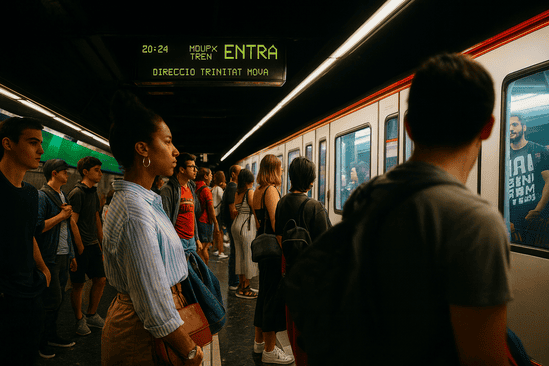
One of the easiest surprises about living in Barcelona is how effortlessly you can move around. The metro system is clean, fast, and connects almost every corner of the city — from Gràcia to the beach. You’ll quickly get used to the network of coloured lines (L1, L3 and L5 will probably become your daily companions), and the T-casual card gives you ten rides that work across metro, bus, and tram.
Buses are reliable too, especially for shorter cross-neighbourhood hops, and the tram lines add a scenic alternative along the Diagonal and into the newer zones like Poblenou. But Barcelona is also a walker’s city — distances look big on the map, but a stroll from Eixample to El Born takes less than half an hour, and you’ll pass cafés, galleries, and bakeries the whole way.
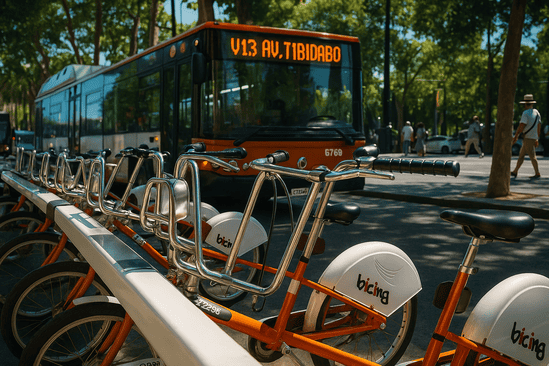
Cycling has become a daily routine for many locals thanks to the Bicing system, and the city has expanded its bike lanes dramatically. Just remember: scooters will weave past you, and pedestrians have their own rhythm — slower, more social, often mid-conversation.
Public transport runs late into the night (especially on weekends), but you’ll still find that most locals prefer to stay close to home after dinner — because every neighbourhood has everything you need within a few blocks.
Pro Tip: Master the TMB App Before You Move
Download the official TMB App before you even arrive — it’s the city’s real-time transport planner for metro, bus, and tram. You can check delays, find the fastest routes, and even locate nearby Bicing stations for bikes. Pair it with your Bicing subscription once you’ve got your NIE or resident ID, and you’ll move around like a local within days.
Neighbourhoods You’ll Actually Live In
Barcelona’s neighbourhoods each have their own personality — you could move ten minutes down the road and feel like you’ve landed in a different city. The key to living well here is finding the one that matches your rhythm.
El Born & The Gothic Quarter
If you want history on your doorstep, this is it. Cobbled lanes, centuries-old façades, and cafés that spill out onto hidden plazas. By day, locals grab coffee from the same bars their neighbours have used for decades; by night, the streets hum with quiet chatter and clinking glasses.
It’s charming, walkable, and packed with character — ideal for anyone who wants to step out into atmosphere every morning.
Try Carrer del Rec Apartments or Carrer dels Carders Apartments for a feel of authentic old-town living, right in the heart of it all.
Eixample
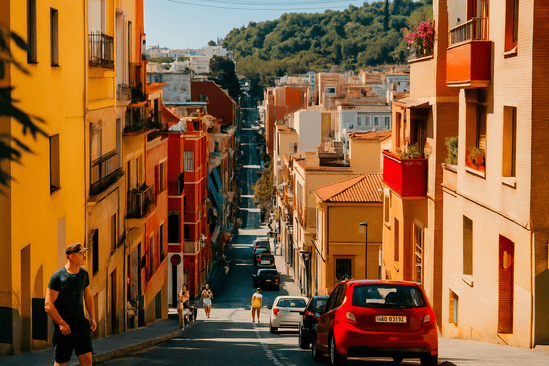
Wide boulevards, honey-coloured buildings, and geometric perfection. Eixample is the city’s most recognisable district — elegant, practical, and endlessly liveable. Apartments here often come with high ceilings, decorative tiles, and balconies that catch the late-afternoon sun.
It’s central without feeling chaotic, perfect for professionals who want to be close to everything.
Check out Carrer de Sepúlveda Apartments or Carrer de Rocafort Apartments for that classic Barcelona layout and easy metro access.
Gràcia
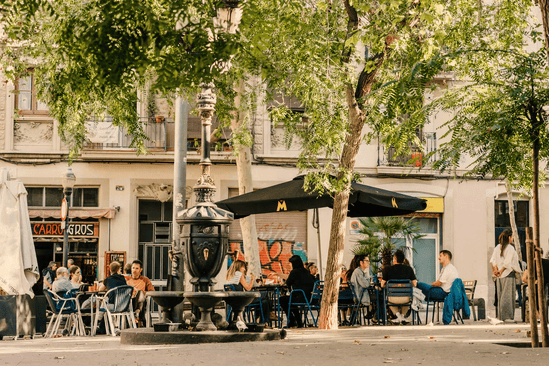
Once a separate village, Gràcia still keeps its independent soul. You’ll find leafy squares where locals gather at sunset, boutique stores, and some of the best little restaurants in the city. The pace is slower here — more neighbourly, less hurried — but still minutes from central Barcelona.
The Travessera de Gràcia Apartments sit right at the crossroads of this energy: calm, connected, and full of charm.
Sagrada Família & Beyond
Living in Barcelona near the city’s most famous landmark might sound impossible, but it’s surprisingly peaceful once you step off the main avenue. Locals love the tree-lined side streets, family-friendly feel, and easy access to both Eixample and the beach.
If you like a neighbourhood with everyday convenience and iconic views, Gaudí Avenue Apartments are a great place to start.
Day-to-Day Practicalities
Once you settle into living in Barcelona, it’s the little habits that stand out most. Locals greet the morning slowly — a quick cortado at the bar before work, maybe a pastry, and never coffee to go. Life here is social, even when it’s practical.
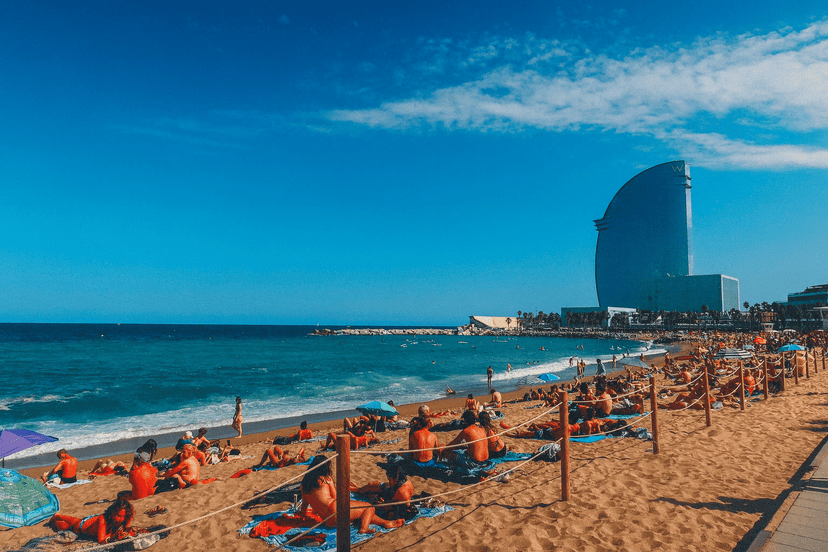
You’ll quickly notice that cash still has its place, especially in smaller cafés and neighbourhood shops, though cards and contactless payments are now widely accepted. Sundays are quiet — most stores close, so plan your shopping for Saturday mornings or embrace the local rhythm and head to the beach instead.
Language-wise, you’ll hear both Spanish and Catalan everywhere. Most people switch effortlessly between the two, and locals appreciate even a simple bon dia or gràcies. English will get you through the basics, especially in central areas, but learning a few local phrases goes a long way.
Groceries are easy — you’ll find small Caprabo, Bonpreu, and Condis stores on nearly every corner, but the best part of living here is the mercats (markets). Each neighbourhood has its own: Mercat de la Concepció for Eixample, Santa Caterina for El Born, and Llibertat in Gràcia — the kind of places where you start to recognise the stallholders after a few weeks.
The city runs smoothly but still carries that relaxed Mediterranean logic: recycling bins are colour-coded but collected late at night, Wi-Fi speeds are good (fibre is common), and the postman always seems to arrive during siesta hours.
Life here rewards patience and curiosity — get those right, and Barcelona feels like home fast.
Pro Tip: Get to Know Barcelona’s Delivery Apps Early
While locals still love shopping in person, delivery apps are a lifesaver on lazy nights or when you’re still unpacking boxes. Glovo (born right here in Barcelona) delivers just about anything — groceries, takeaway, pharmacy items, even forgotten keys. Uber Eats and Just Eat are also widely used, though Glovo tends to have the best local reach.
Most residents use a mix: Glovo for everything, Too Good To Go for discounted café pastries at the end of the day, and Amazon.es for essentials. Once you’ve got your local address registered, you’ll wonder how people ever lived here without them.
Cost of Living in Barcelona (2025)
Barcelona is Mediterranean, creative, and deeply livable — and while it’s still cheaper than Paris or London, rising demand and rental limits mean prices are edging up. The good news: the city balances affordability with lifestyle, sun, and a social rhythm that makes every euro feel well spent.
Still, for many expats and digital nomads, costs are predictable and manageable — no nasty surprises from utilities or transport. And if you’re staying in a serviced apartment, it’s far easier to budget month to month, without worrying about Wi-Fi contracts or furniture shopping.
Here’s what a single professional might expect to spend per month:
| Expense | Monthly Estimate (€) |
|---|---|
| 1-bedroom apartment (central) | 1,400 – 1,900 |
| Groceries (1 person) | 250 – 350 |
| Transport (T-usual pass, monthly) | ~45 |
| Utilities + Internet | 120 – 180 |
| Gym / Fitness Membership | 40 – 70 |
| Eating Out (2–3x per week) | 200 – 350 |
Tip: Booking a serviced apartment in Barcelona means your rent, Wi-Fi, and utilities are already included — so you can focus on terraces, tapas, and enjoying the city, not chasing paperwork.

Culture, Food & Social Life: How Barcelona Really Lives
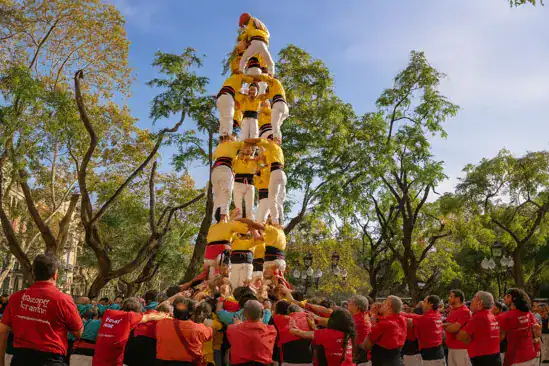
Barcelona doesn’t sit still — it pulses. The city is equal parts cosmopolitan and neighbourhood-intimate: sunny terrace afternoons, late dinners that stretch past midnight, and weekends that shift seamlessly from beach to mountain. Culture and community are everywhere, and even newcomers find themselves swept into the rhythm quickly.
Culture, Without the Formalities
Barcelona wears its culture openly. Sure, you’ve got the headline acts — Gaudí’s Sagrada Família, the Picasso Museum, or the Fundació Miró on Montjuïc — but locals don’t treat them as “special occasions.” You might visit an exhibition on your lunch break and then grab a vermut around the corner.
For something more raw, head to Poblenou and its 22@ district, where former factories are now design studios, galleries, and craft breweries. Street art and open-air festivals pop up year-round, giving the city a constant sense of reinvention.
Food: A City That Eats Late and Often
Barcelona takes food seriously — but never too seriously. The day starts with a cortado and maybe a croissant, but the real joy is in long, social meals.
Try these local rituals:
Menú del día: weekday set lunches (starter, main, dessert, drink) for around €12–€15 — unbeatable value.
Vermut hour: locals gather in small bodegas for sweet vermouth on ice with olives, usually before lunch.
Tapas with friends: patatas bravas, pan con tomate, bombas — order to share, and always over conversation.
Churros con chocolate on a Sunday evening — especially in cooler months.
And yes, Barcelona cafés rival any European capital. Independent roasteries are everywhere, from Nomad Coffee in El Born to Satan’s Coffee Corner in the Gothic Quarter.
Meeting People, the Barcelona Way
Barcelona is social to its core. You’ll get friendly nods from your neighbours, conversations in market queues, and spontaneous invites to fiestas on your street.
To meet people:
Join a language exchange in Gràcia or El Born — half the city seems to be learning something new.
Get a coworking pass in Poblenou or Sant Antoni — hubs like Aticco and OneCoWork are filled with locals and expats.
Sign up for Meetup.com events or join WhatsApp community groups — from hiking in Collserola to rooftop yoga.
Or simply become a regular at your corner café or tapas bar. In Barcelona, routines quickly make you part of the neighbourhood.
Pro Tip: Embrace the Menú del Día
The menú del día is still one of the smartest ways to eat well on the go in Barcelona — a set lunch (starter + main + dessert, plus drink & bread) for around €10–€15 in many neighbourhoods. Skip The Line Barcelona private tours
Want to know where to try it? Check this guide to some of the best menú del día restaurants in Barcelona — great for exploring local food without stretching your budget.

Final Thoughts: Finding Your Barcelona Rhythm
Living in Barcelona isn’t about ticking off landmarks — it’s about slipping into a rhythm that feels entirely your own. It’s early coffees on sunlit balconies, chats with your greengrocer, weekend markets, and evenings that somehow always last longer than planned.
You’ll find that the city gives back whatever energy you bring to it: move fast and it buzzes with you; slow down and it opens up softly. From Eixample’s grid-lined calm to the winding alleys of El Born, life here feels textured, lived-in, and full of small pleasures that quickly become daily rituals.
Whether you’re staying for a few months or making it home, Barcelona rewards curiosity — and the best way to understand it is to live it, one neighbourhood at a time.