



Living in Berlin: An Honest Look at Daily Life in Germany’s Creative Capital
Living in Berlin is an experience of beautiful contradictions. One minute you’re sipping pour-over coffee in a leafy Prenzlauer Berg café, the next you’re in a graffitied warehouse at 3AM listening to techno with strangers from five continents. It’s equal parts gritty and green, high culture and counterculture, chaos and calm.
If you’re planning a move to Berlin — for work, study, or simply a fresh start — this guide will show you what daily life here really feels like in 2025. From public transport quirks and neighbourhood vibes to late-night döner and apartment hacks, this is the Berlin locals know — not just the Berlin you’ll find in a brochure.
Need a place to land? Check out our curated serviced apartments in Berlin — ideal for corporate or leisure stays
Getting Around Berlin: Surprisingly Easy (and Very German)
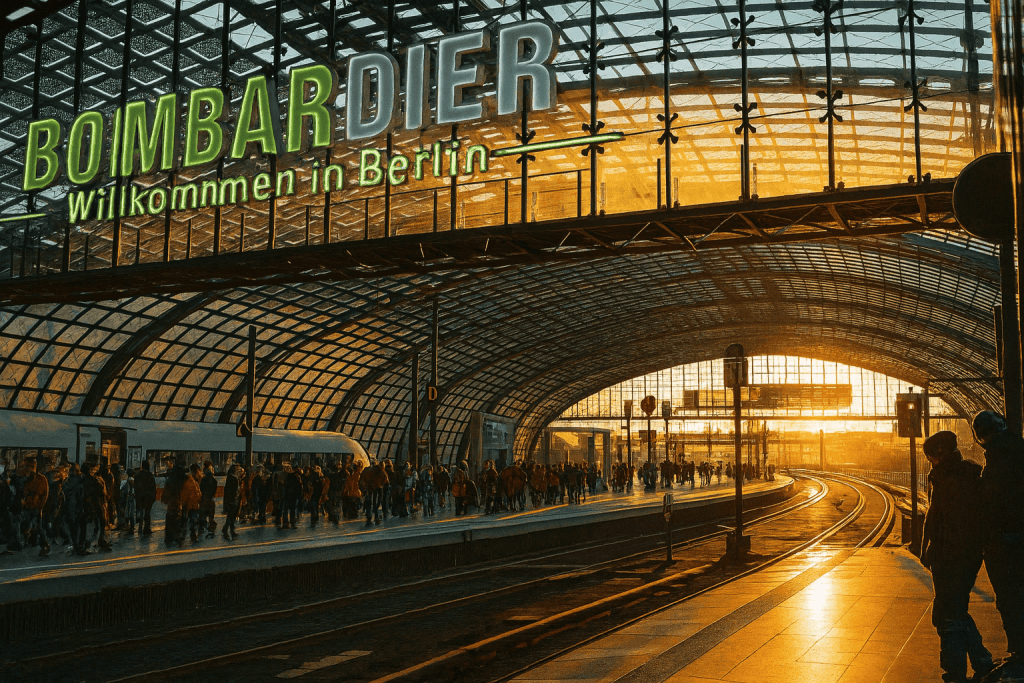
Forget owning a car — in Berlin, public transport is king. The BVG (Berliner Verkehrsbetriebe) runs an expansive, highly integrated network of U-Bahn, S-Bahn, trams, and buses that gets you pretty much anywhere. It’s clean, efficient, affordable — and just unpredictable enough to keep it interesting.
A monthly AB zone pass costs around €69 (thanks to Germany’s subsidised public transit initiative).
Trains run frequently and well into the night — with 24-hour service on weekends, perfect for Berlin’s late-night culture.
You can even bring your dog — just keep them leashed and pay a small fare.
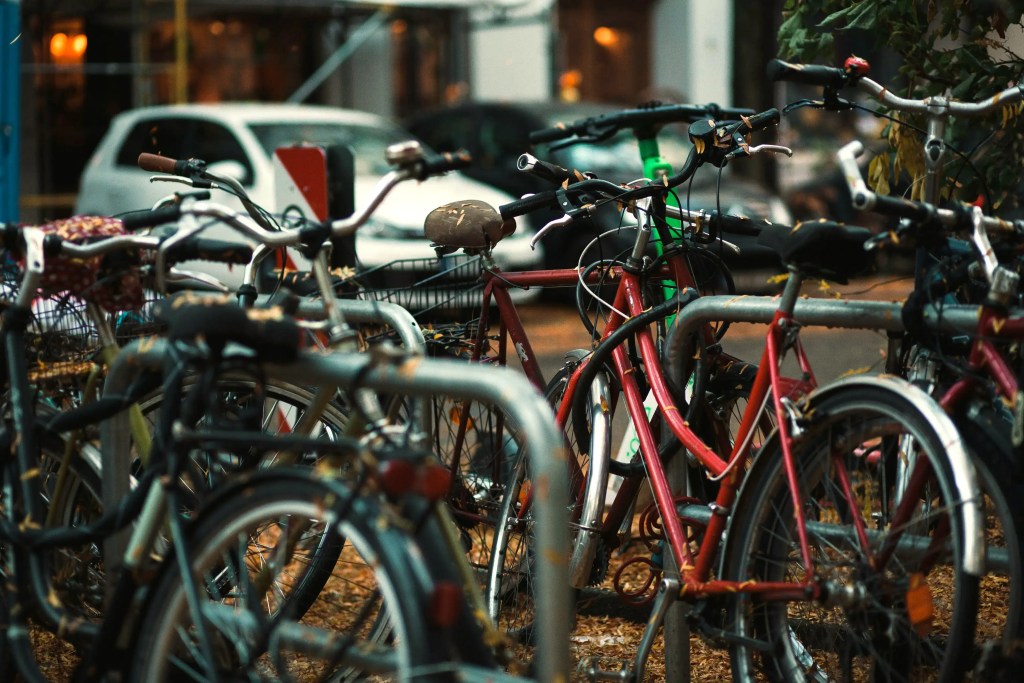
Pro tip: Berlin is bike heaven — flat, scenic, and crisscrossed by well-marked lanes. Cycling through the city is often faster than public transport.
One of the most surreal biking (or skating or kite-flying) experiences? Tempelhofer Feld — a massive park on a former airport runway where locals jog down taxi lanes and grill on the grass.
For route planning, ticket info, and real-time updates, download the official BVG app.
Neighbourhoods to Know — and Possibly Live In
Berlin isn’t one city — it’s many. Each Kiez (neighbourhood) has its own flavour and rhythm. Here’s where you might land:
Mitte
Think of it as Berlin’s “Downtown” — a little polished, a little corporate, but still full of history. Museums, government buildings, and high-end apartments define the vibe.
Our Berlin Märkisches Museum Aparthotel to be right in the cultural centre, with the Spree River as your backdrop.
Prenzlauer Berg
If you love Sunday brunches, baby strollers, and flea markets, this is your spot. Once a punk stronghold, now gentrified but still charming.
Don’t miss: Kollwitzplatz farmers market on Saturdays and vintage bike shops on Helmholtzplatz.
Friedrichshain
Edgy, energetic, and endlessly creative. You’ll find skateparks under train bridges, vegan kebab shops, and late-night vinyl bars. Berlin’s rebellious heart beats here.
Kreuzberg
This is where Turkish delis sit next to indie bookstores and smoky jazz bars. You’ll hear three languages on every street and find something happening every night of the week.
Local tip: Grab a falafel at Mustafa’s Gemüse Kebap… if you’re willing to wait in line.
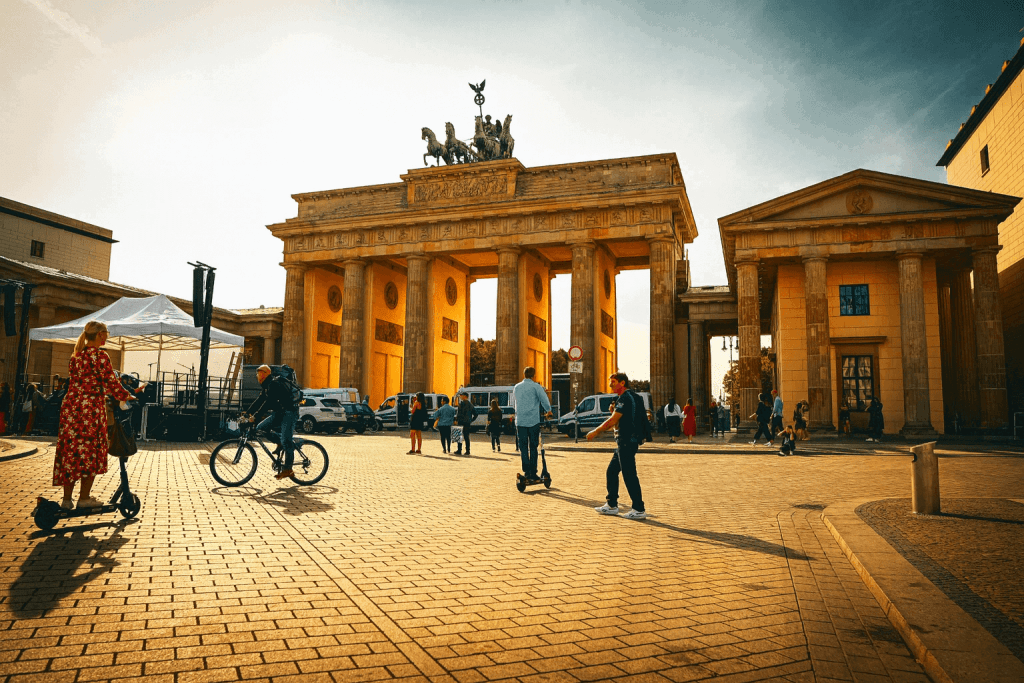
Life’s Little Oddities: Day-to-Day Quirks of living in Berlin
Living in Berlin is a constant dance between freedom and Ordnung (order). On one hand, you can wear whatever you want, drink beer in the park, and let your freak flag fly. On the other, miss a bin sorting rule or make noise on a Sunday… and you’ll feel the silent wrath of your neighbours.
Here are a few quirks that define day-to-day life in the Hauptstadt:
Recycling Is a Ritual (and a Social Contract)
Berliners take waste separation seriously. You’ll be sorting into yellow (plastic & packaging), blue (paper), brown or green (organic), and black (everything else).
Put something in the wrong bin? Expect a note. Or worse, an unspoken neighbourhood standoff. Oh — and don’t ever forget to rinse out your yoghurt pots.
Pro tip: Master the art of the Pfand system — most bottles (plastic or glass) can be returned at supermarkets for €0.08–€0.25 each. It adds up quickly and keeps the city cleaner.
Sundays Are Sacred — and Silent
Sunday is the unofficial day of rest and zero decibels. No vacuuming. No hammering. No washing your car or even running the dishwasher loudly. The idea? Let everyone rest, read, or take long walks undisturbed.
Want to test your luck? Try hanging laundry on a Sunday or playing music with the window open. One warning glare and you’ll never do it again.
Cash is (Still) King
Incredibly, some small shops, bars, and bakeries in Berlin still operate on a strict cash-only basis, despite contactless tech being widespread. Even card-accepting places may grumble if you try to use it for a €1.50 espresso.
Always keep a few €10 bills and coins on hand — especially when visiting a Späti (late-night corner shop), open-air market, or old-school Kneipe (pub).
Shopping Hours Are a Trap for the Uninitiated
Germany’s shopping laws are famously strict. Most grocery stores close by 8PM, and nothing is open on Sundays — not even supermarkets or pharmacies.
If you forget, you’ll join the masses doing the frantic Saturday night panic shop at places like Denn’s BioMarkt or Edeka. (It’s basically Berlin’s version of a Friday night club queue — but for tofu and oat milk.)
Hack: Spätis and train station Rewes (e.g., Hauptbahnhof, Ostbahnhof) are your Sunday emergency options.
Dogs Go Everywhere (and Are Impeccably Behaved)
You’ll see dogs on the U-Bahn, in restaurants, even in clothing shops. They’re rarely leashed, almost never bark, and seem to understand better German than you.
In Berlin, your dog doesn’t just live with you — it’s basically your flatmate with public transit access.
Smoking Is Weirdly… Everywhere
Don’t be shocked if someone lights up inside a bar or café — Berlin remains one of the few EU capitals with designated smoking bars, and smoking culture here is still going strong, especially in older neighbourhood haunts.
Cost of Living in Berlin (2025 Snapshot)
Berlin remains relatively affordable compared to London, Paris, or Amsterdam — but prices have risen fast over the past few years. That said, it’s still possible to enjoy a high quality of life without breaking the bank.
Here’s what you might expect to spend as a solo professional or couple:
| Expense | Monthly Estimate (€) |
|---|---|
| 1-Bedroom Apartment (Mitte) | 1,400 – 2,000 |
| Groceries (1 person) | 250 – 400 |
| Monthly BVG Transit Pass (AB Zone) | ~69 |
| Utilities + Internet | 150 – 250 |
| Eating Out 2–3x/week | 200 – 350 |
| Gym / Fitness Studio | 50 – 100 |
| Co-working Membership (optional) | 150 – 300 |
Want to avoid furniture shopping, contracts, and hidden bills? Our serviced apartments in Berlin include utilities, Wi-Fi, and weekly cleaning — so your cost of living is easier to manage, especially in your first few months.
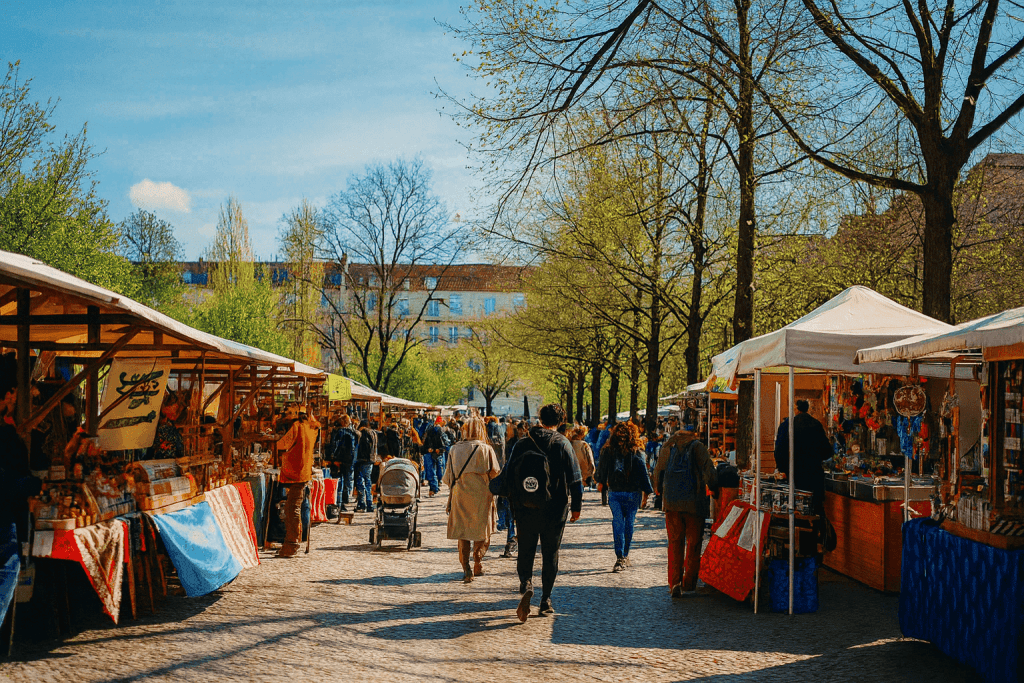
Social Life, Culture & That Berlin Feeling
Living in Berlin isn’t just about where you sleep or work — it’s about how you live.
Art & Culture
Explore Berlin’s Museum Island or catch experimental performance art in Neukölln.
Visit the Hamburger Bahnhof for contemporary installations inside a 19th-century train station.
Or just roam — nearly every wall and underpass in this city is a gallery of street art, protest slogans, and DIY creativity.
Food Scene
Berlin is proudly unpretentious. That means fine dining and €3 currywurst can happily coexist.
Try Markthalle Neun for artisanal street food on Thursdays.
Grab a Berliner Weisse (sour wheat beer) with syrup — locals either love it or roll their eyes at it.
Vegan? Berlin is one of the best cities in Europe for plant-based living.
Nature & Green Space
This city breathes — and not just metaphorically. You’re never far from a leafy park or lake.
Tempelhofer Feld is a local favourite: an old airfield turned into a park where people bike down runways and barbecue in the grass.
Spend Sundays wandering through Tiergarten, Berlin’s version of Central Park.
Or escape the city with a day trip to Wannsee Lake — just 40 minutes by S-Bahn.
(Berlin.de – Lakes around Berlin)
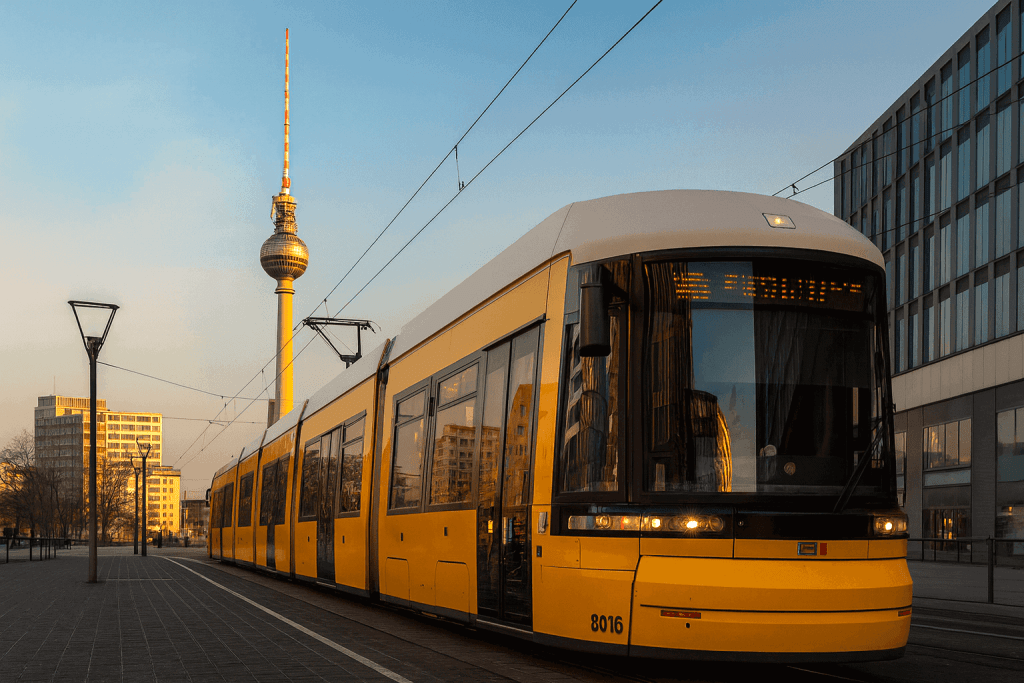
Final Thoughts: Berlin Is Messy, Beautiful, and Addictive
Berlin might not dazzle you with postcard-perfect sights like Paris or Vienna. But give it a week, and it gets under your skin — in the best way. You’ll start to crave its weirdness, its freedom, its rhythm.
It’s a place where you can reinvent yourself. Work from a café in the morning, swim in a lake by lunch, and dance until sunrise — then do it all again.