




Stepping into Manhattan
Manhattan’s skyline is still iconic, and its energy remains unmistakable. But what is it really like living in Manhattan day to day in 2026? Beyond the postcards and movie scenes, the city continues to reveal a distinct rhythm shaped by neighbourhood life, evolving work patterns, and the same fast-moving street culture that has always defined it. Some things feel unchanged — the walkability, the diversity, the constant sense of motion — while others have subtly shifted, from how people use public space to where they choose to live and work.
This is an inside look, drawn from local voices and lived city experience, at what it truly feels like to call Manhattan home today.
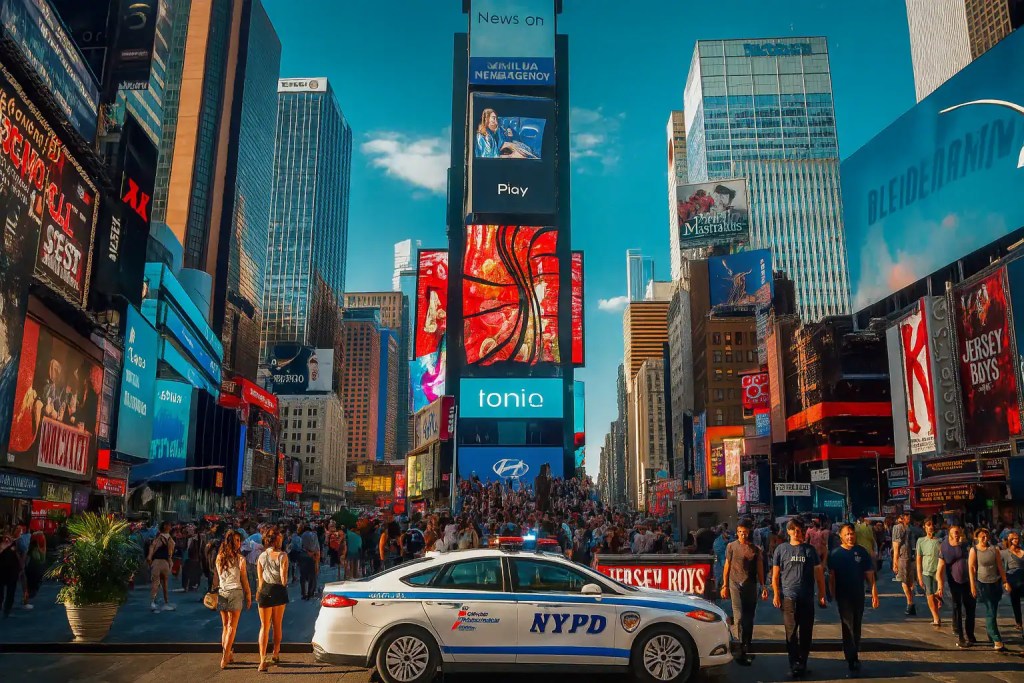
The Allure: Why people fall in love with Manhattan
Manhattan’s energy is like nowhere else in the world. The island feels alive at all hours, with late-night diners glowing at 2 AM and morning dog walkers crisscrossing the streets before sunrise.
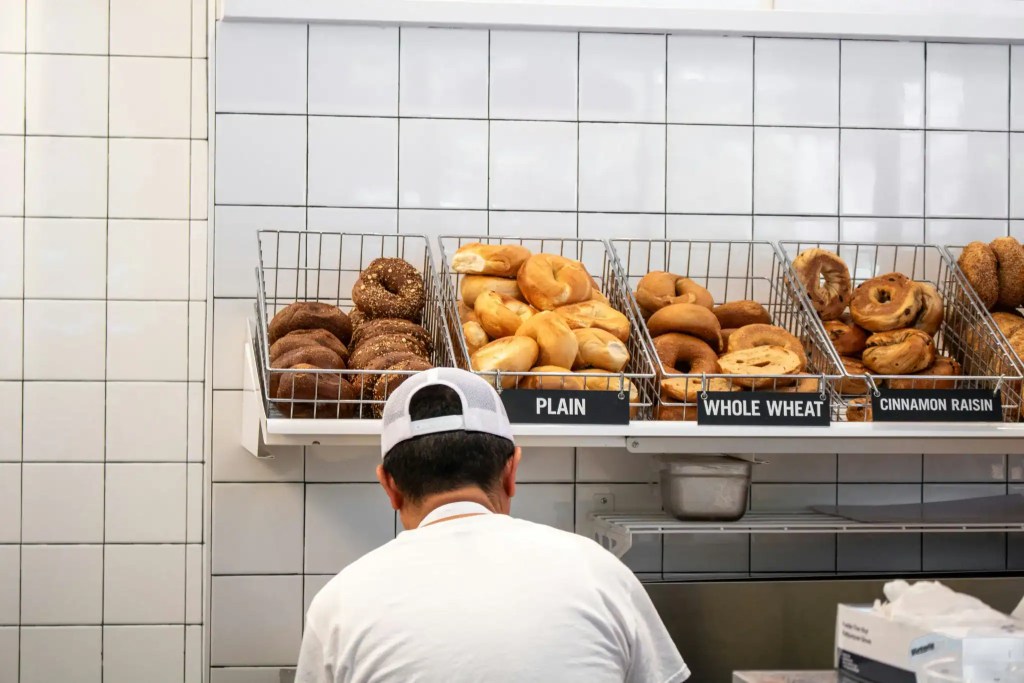
Even in such a dense city, each neighbourhood feels like its own small village — from the independent bookstores in the East Village to the high-end boutiques of SoHo. On Saturdays, locals head to Union Square’s farmers market to buy flowers and fresh produce, or line up for a bagel at Ess-a-Bagel before wandering through a local gallery in Chelsea.
Food is more than a convenience here; it’s a shared experience. You’ll find tiny wine bars hidden in basements, family-run dumpling shops in Chinatown, and rooftop brunch spots with sweeping skyline views.
Beyond food and shopping, the cultural life is unmatched: world-class museums, spontaneous jazz nights, and experimental theatre keep living in Manhattan a constantly inspired experience. It’s a place where no two days look exactly the same, and that unpredictability is part of its magic.
Choosing Where to Live in New York
New York doesn’t have a single “best” neighbourhood — but it does have areas that suit different lifestyles extremely well. Some people prioritise being central and walkable, others value calmer residential streets, creative energy, or space to settle in comfortably. Below are the neighbourhoods people most often choose when living in New York, each offering a distinct way of experiencing the city day to day.
Midtown — Central, Walkable, First-Time Friendly
Midtown is often the first choice for people moving to New York — not because it’s flashy, but because it’s practical. Living here means being close to offices, major transit hubs, and everyday services, with much of Manhattan accessible on foot or via a short subway ride. Despite its reputation as a business district, many residential pockets feel quieter outside office hours, making it easier to establish a daily rhythm.
Live here if: you want to be central, minimise commute time, and settle into New York quickly without needing to learn the city block by block.
Midtown serviced apartments:
New York Grand Central Aparthotel
https://stilllifeglobal.com/property/new-york-grand-central-aparthotel/Madison Square Garden Apartments
https://stilllifeglobal.com/property/madison-square-garden-apartments/Manhattan Midtown East Apartments
https://stilllifeglobal.com/property/manhattan-midtown-east-apartments/
Upper West Side — Classic, Calm, Community-Focused
The Upper West Side offers a more relaxed pace without losing the convenience of Manhattan living. Tree-lined streets, historic architecture, and easy access to parks give the area a strong neighbourhood feel, popular with families and longer-stay residents. Everyday life here feels established, local, and distinctly residential.
Live here if: you value space, community, and a calmer rhythm while staying well connected to the rest of Manhattan.
Upper West Side serviced apartment:
Manhattan Verdi Square Apartments
https://stilllifeglobal.com/property/manhattan-verdi-square-apartments/
Upper East Side — Refined, Residential, Park-Adjacent
The Upper East Side balances classic New York sophistication with everyday livability. Known for its quieter streets, cultural institutions, and proximity to Central Park, it offers a traditional residential experience while remaining close to Midtown and downtown hubs.
Live here if: you want a settled, well-established neighbourhood with easy access to green space and cultural life.
Upper East Side serviced apartment:
Manhattan Upper East Side Apartment
https://stilllifeglobal.com/property/manhattan-upper-east-side-apartment/
SoHo — Stylish, Artistic, Street-Level Life
SoHo is one of Manhattan’s most distinctive neighbourhoods, defined by loft-style living, cast-iron buildings, and vibrant street culture. It appeals to people who value design, creativity, and a lively yet livable environment with quick access across the city.
Live here if: you’re drawn to characterful architecture, independent shops, and an energetic but walkable neighbourhood.
SoHo serviced apartment:
SoHo NYC Loft Apartment
https://stilllifeglobal.com/property/soho-nyc-loft-apartment/
Tribeca — Refined, Spacious, Family-Friendly
Tribeca combines historic charm with modern residential comfort. With wider streets, converted lofts, and a quieter pace, it’s popular with longer-stay residents, families, and professionals seeking space without leaving Manhattan.
Live here if: you want a stylish yet tranquil base with a strong sense of community.
Tribeca serviced apartment:
Tribeca Luxury Apartment
https://stilllifeglobal.com/property/tribeca-luxury-apartment/
Greenwich Village — Classic, Walkable, Community-Driven
Greenwich Village is one of Manhattan’s most loved residential neighbourhoods. Its mix of quiet streets, cafés, small shops, and historic character creates a strong local feel that appeals to those who want everyday life to feel personal and walkable.
Live here if: you value neighbourhood identity, charm, and a strong sense of place.
Greenwich Village serviced apartment:
Greenwich Village Washington St Apartments
https://stilllifeglobal.com/property/greenwich-village-washington-st-apartments/
Financial District — Quiet Nights, Major Connectivity
While known for Wall Street and corporate offices, the Financial District has evolved into a calm residential option outside business hours. Waterfront walks, historic buildings, and excellent transport links make it especially practical for professionals and longer stays.
Live here if: you prioritise connectivity, efficient commuting, and quieter evenings.
Financial District serviced apartment:
New York City Pier 11 Wall St Apartments
https://stilllifeglobal.com/property/new-york-city-pier-11-wall-st-apartments/
Williamsburg — Creative, Trendy, Well-Connected
Williamsburg offers a different take on New York living — creative, energetic, and community-driven. Popular with professionals and creatives, it combines cafés, nightlife, independent retail, and excellent transport links into Manhattan via subway and ferry.
Live here if: you want a neighbourhood with strong personality, culture, and slightly more breathing room than central Manhattan.
Williamsburg serviced apartment:
Williamsburg Metropolitan Avenue Apartments
https://stilllifeglobal.com/property/williamsburg-metropolitan-avenue-apartments/
Brooklyn — Spacious, Diverse, Everyday Life
Brooklyn attracts residents looking for a more relaxed residential experience while staying closely connected to Manhattan. With strong local communities, wider streets, and a slower pace, it suits people prioritising space, routine, and neighbourhood life.
Live here if: you want a local, lived-in feel with easy access to the wider city.
Brooklyn serviced apartment:
New York Dekalb Ave Apartments
https://stilllifeglobal.com/property/new-york-dekalb-av-apartments/
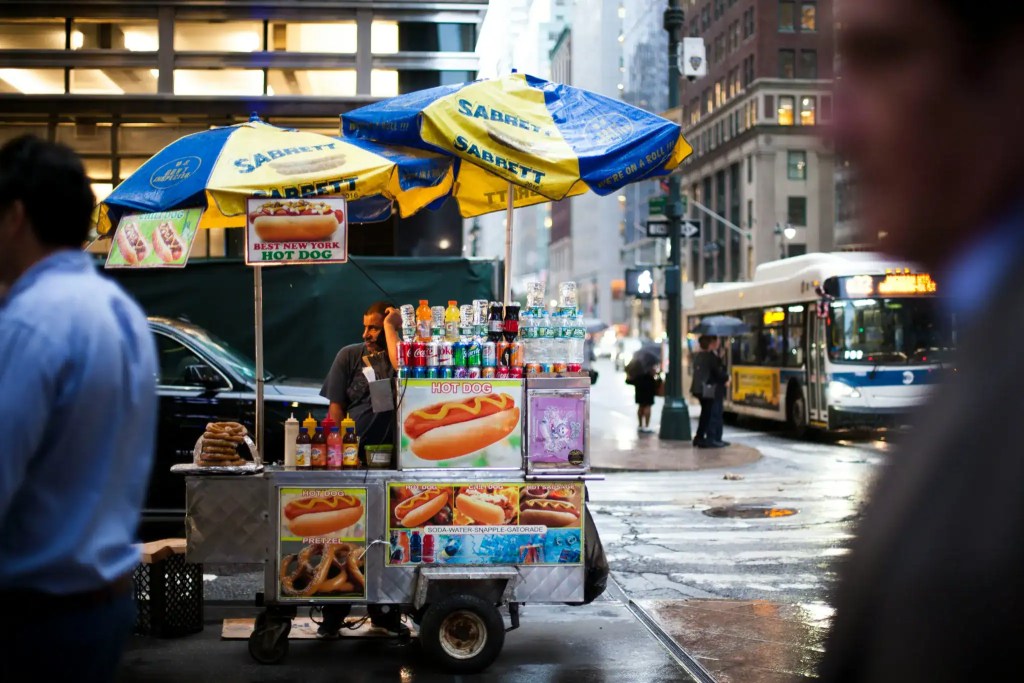
Cost of Living in Manhattan (What It Really Looks Like)
Manhattan has a reputation for being expensive — and in many ways, it is. Housing is the biggest cost by far, but day-to-day expenses are often more manageable and predictable than many newcomers expect, especially when living centrally and without a car.
Typical Monthly Costs for One Person
| Expense | Monthly Estimate |
|---|---|
| Serviced apartment (central Manhattan) | $5,500 – $8,500 |
| Groceries | $500 – $700 |
| Transport (monthly subway pass) | $130 – $140 |
| Utilities + Internet | Often included |
| Eating out (2–3× per week) | $600 – $900 |
| Gym / Fitness | $80 – $200 |
Local insight:
One of the defining aspects of living in Manhattan is convenience. Most daily needs — work, groceries, dining, fitness, and transport — are accessible within a short walk or subway ride. While rents are high, other costs tend to remain stable, and residents rarely need to factor in car ownership or long commutes.
For many newcomers, serviced apartments help simplify budgeting by bundling utilities, internet, and furnishings into a single monthly cost, removing much of the uncertainty that comes with setting up a long-term rental.
What takes getting used to
As thrilling as living in Manhattan can be, life here comes with its own set of challenges. For many newcomers, the first surprise is the size of apartments — or rather, the lack of it. Closets become precious real estate, and creative storage solutions quickly become part of daily life.
Noise is another constant companion. From late-night sirens to the never-ending hum of street life, quiet moments can feel rare — though many residents say they eventually learn to sleep through anything.
Then there’s the cost of living. Beyond rent, everyday expenses add up quickly: a casual dinner can easily turn into a $100 bill, and monthly grocery bills may surprise those coming from other cities.
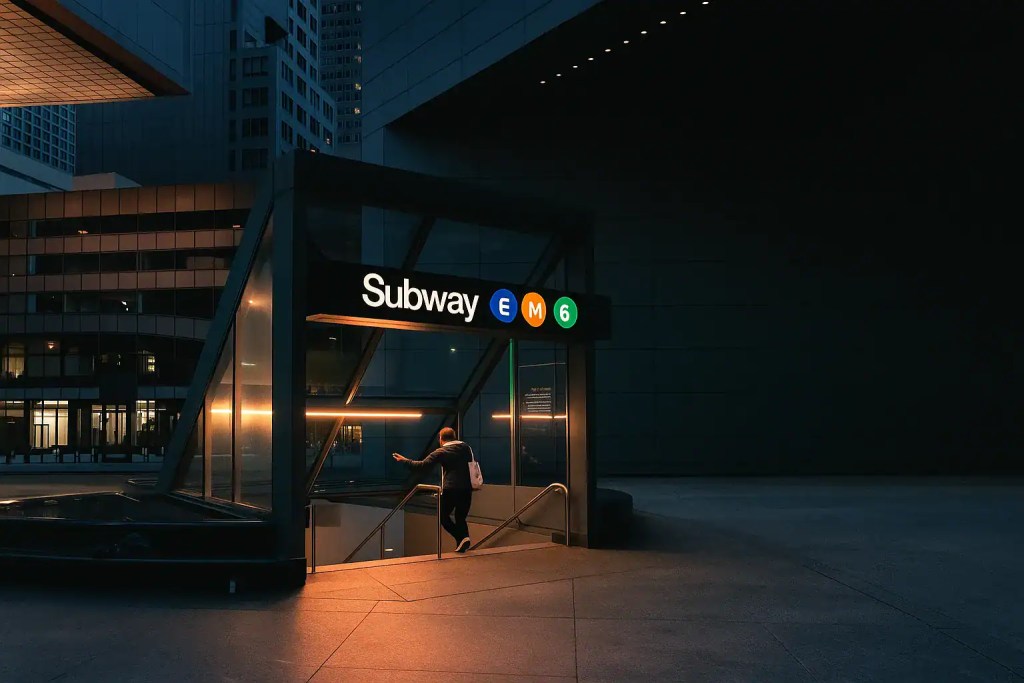
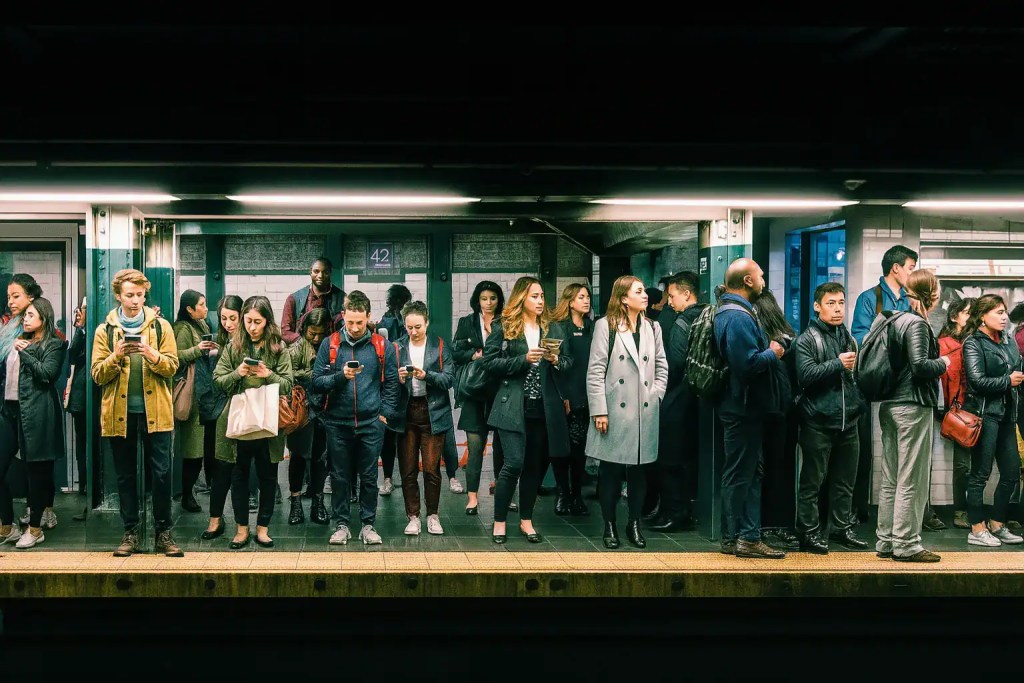
The subway is a lifeline for most Manhattanites — it’s fast, efficient (most of the time), and runs 24/7. But for newcomers, it can feel overwhelming at first: navigating express vs local trains, coping with sudden delays, and adjusting to crowded rush hours. Over time, though, riding the subway becomes a badge of belonging, and mastering its quirks is a true New York rite of passage.
But for those who embrace it, these quirks become part of the adventure. Learning to navigate them is almost a rite of passage, and each small adaptation makes the city feel more like home.
Even in such a dense city, each neighbourhood feels like its own small village — from the independent bookstores in the East Village to the high-end boutiques of SoHo. On Saturdays, locals head to Union Square’s farmers market to buy flowers and fresh produce, or line up for a bagel at Ess-a-Bagel before wandering through a local gallery in Chelsea.
Food is more than a convenience here; it’s a shared experience. You’ll find tiny wine bars hidden in basements, family-run dumpling shops in Chinatown, and rooftop brunch spots with sweeping skyline views.
Beyond food and shopping, the cultural life is unmatched: world-class museums, spontaneous jazz nights, and experimental theatre keep Manhattan residents constantly inspired. It’s a place where no two days look exactly the same, and that unpredictability is part of its magic.
The softer side
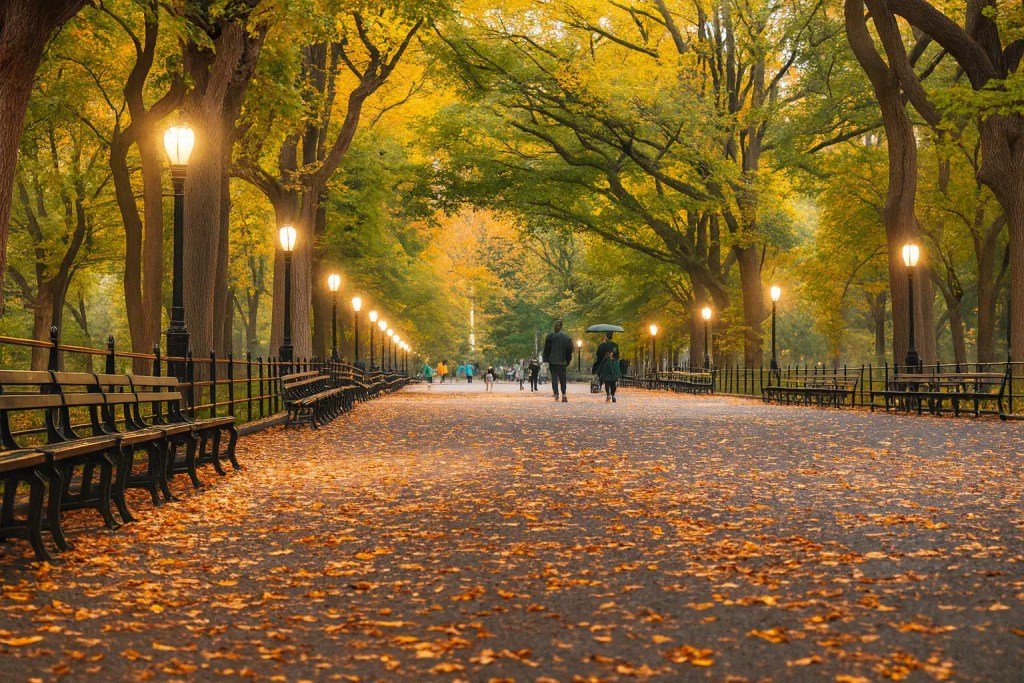
Despite its reputation for hustle and noise, Manhattan hides dozens of quiet corners and moments of unexpected calm. Strolling along the High Line at sunset, with wildflowers blooming above the city traffic, feels almost meditative.
Pocket parks like Jefferson Market Garden in the West Village or the secluded benches of Bryant Park become second living rooms for locals. Early mornings in Madison Square Park transform into community meetups, as dog owners gather before the workday rush.
Even simple daily routines — picking up coffee at your neighbourhood café or chatting with the flower vendor on the corner — become part of a comforting, lived-in rhythm.
For many residents, these softer moments are what truly make Manhattan feel like home. It’s not just a place to live — it’s a place to belong.
Local voices
Many newcomers to Manhattan talk about the early weeks feeling like a movie set — every corner feels cinematic, and every street seems to hide a story.
Some quickly learn to love the tiny apartment lifestyle, saying it encourages them to spend more time exploring the city rather than staying indoors. Others mention the surprisingly strong sense of community in their neighborhoods, from chatting with baristas each morning to greeting dog walkers in local parks.
Meeting New Yorkers is often another surprise. While they’re known for moving quickly and telling it like it is, most newcomers discover that people here are genuinely helpful — whether it’s giving subway directions or recommending a local slice shop. Beneath the tough exterior, there’s an unexpected warmth and a shared sense of belonging.
The fast pace can be exhausting at first, but many residents say they grow to thrive on the city’s endless energy and constant change. They often describe a moment — sometimes just a quiet morning coffee or a late-night walk home — when they realize they truly feel at home living in Manhattan.

Starting your Manhattan stay
For many people moving to Manhattan, committing to a long-term lease in Manhattan right away can feel daunting. Choosing the right neighbourhood, understanding building quirks, and navigating paperwork all take time — and each area has its own distinct personality.
Starting out in a serviced apartment can make the transition much smoother. It gives you a comfortable, fully equipped base where you can settle in, explore different neighbourhoods, and get a feel for the city before making any big decisions. With flexible terms, more space than a hotel, and the privacy of a true home, serviced apartments offer a stress-free way to start your New York chapter.
Explore our serviced apartments in New York to find a flexible first base that lets you truly experience Manhattan before you commit long term. Whether you’re relocating for work, planning an extended stay, or simply testing the city lifestyle, our apartments are designed to help you feel at home from day one.
Manhattan is a city that invites you to write your own story — full of energy, challenges, and unforgettable moments. Starting your journey toward living in Manhattan with flexibility and comfort makes all the difference.