
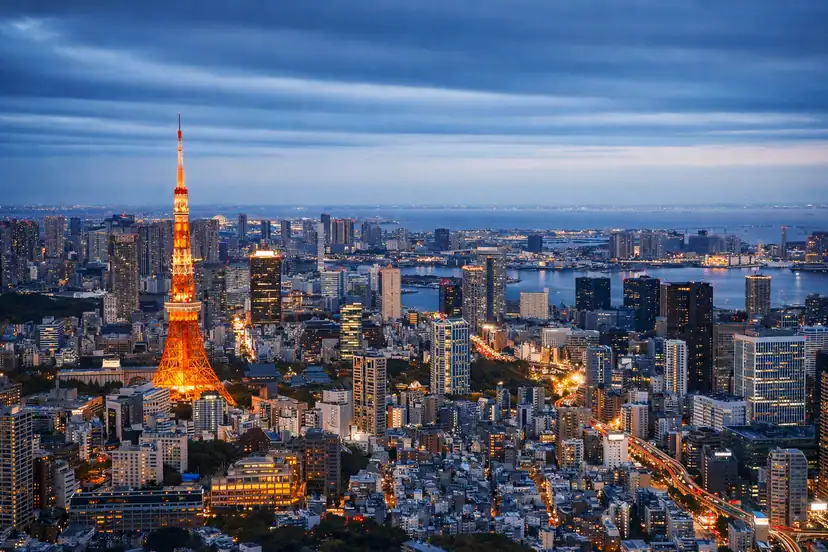



Living in Tokyo: What Day-to-Day Life Really Feels Like (2026-Style)
Tokyo is often described in extremes — hyper-modern, overwhelming, impossibly fast. But living here day to day tells a very different story. Beneath the neon and efficiency is a city of neighbourhood routines, local cafés, predictable rhythms, and small comforts that make long-term life surprisingly liveable.
This isn’t a guide for first-time tourists. It’s for people considering what it’s actually like living in Tokyo — whether for work, a longer assignment, or a slower relocation.
Most Tokyo days start quietly. Even in central wards, mornings feel calm — convenience stores opening their shutters, commuters moving with practiced precision, coffee shops filling up before 9am.
Trains are busy, yes, but reliable to the minute. Streets are clean. Services work. And once you’ve learned your local station exits and shortcuts, the city becomes far more navigable than it first appears.
Tokyo rewards routine — knowing where you shop, eat, and unwind matters more than chasing novelty every day.
Need a place to land while you settle in? Explore our fully equipped serviced apartments in Tokyo — ideal for stays of one month or more, with all the comforts of home and none of the hassle.
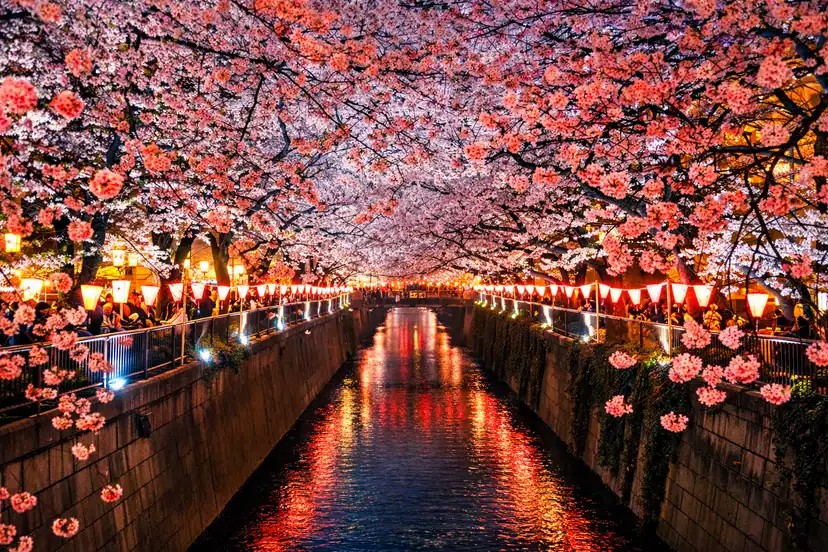
Getting Around: Why Location Matters More Than Size
The transport system is famously efficient — but living in Tokyo quickly teaches you that efficiency alone isn’t the whole story. With dozens of intersecting lines and multiple operators, where you live can shape your daily rhythm far more than the size of your apartment.
Most residents organise their lives around one primary train line. It’s the line you know instinctively, the one that determines how crowded your mornings are, how late you can stay out, and how effortless your commute feels on an ordinary Tuesday.
The JR Yamanote Line forms the backbone of the city, looping through major hubs like Shinjuku, Shibuya, Tokyo Station, Ueno, and Ikebukuro. Living near it offers flexibility — but it also comes with busier stations and higher foot traffic.
Away from the loop, Tokyo Metro and Toei lines quietly handle neighbourhood life. These lines are often calmer, more local, and deeply embedded in residential areas. Many long-term residents prefer them for exactly that reason.
Commuting is usually paid for via a monthly commuter pass, calculated precisely between your home station and your main destination. Once you’ve set this up, travel becomes frictionless — no daily ticket decisions, no budgeting surprises, just tap and go.
If you want a sense of how these systems fit together, Tokyo Metro’s official route map is a useful reference — not something you’ll consult daily, but helpful when choosing where to base yourself: 👉 https://www.tokyometro.jp/en/subwaymap/
What surprises many newcomers is this: being one stop closer to work often matters more than being in a headline neighbourhood. A quieter station, fewer transfers, and a predictable commute can dramatically improve day-to-day life.
It’s why areas like Shinagawa, Azabu, or Nishi-Shinjuku often feel more liveable than expected — and why people who stay longer tend to optimise for routes, not reputations.


Neighbourhoods People Actually Choose to Live In
Tokyo doesn’t have a single “best” area — but it does have neighbourhoods that suit different lifestyles extremely well.
Roppongi & Azabu — Central, International, Easy to Settle Into
Roppongi is far more residential than its reputation suggests. Offices empty out in the evenings, parks open up, and day-to-day life feels orderly and surprisingly calm.
Azabu-Juban and Minami-Azabu nearby are particularly popular with international residents thanks to walkability, local shopping streets, and a strong neighbourhood feel.
Live here if: you want central Tokyo with space, light, and international amenities.
Shibuya & Aoyama — Creative, Walkable, Well-Connected
Shibuya is fast-paced but incredibly practical. Beyond the crossing, it’s a hub of offices, cafés, gyms, and shopping — everything needed for daily life.
Aoyama, just next door, feels calmer and more refined, with wide streets, greenery, and a design-led atmosphere.
Live here if: you want energy without chaos, and excellent transport access.
Tokyo Udagawacho Aparthotel (Shibuya edge)
Shinjuku — Transport Hub with Distinct Residential Pockets
Shinjuku is less about nightlife and more about connectivity. Living here means easy access to the rest of Tokyo and beyond.
Neighbourhoods like Nishi-Shinjuku feel businesslike by day and quiet by night, making them practical for longer stays.
Live here if: convenience and transport access are top priorities.
Relevant listings:
Shinagawa — Understated, Efficient, Excellent for Travel
Shinagawa often flies under the radar, but it’s one of the most practical places to live — especially if you travel often. Bullet trains, airport access, and wide residential streets make it popular with professionals and families.
Live here if: you value calm, space, and easy national or international travel.
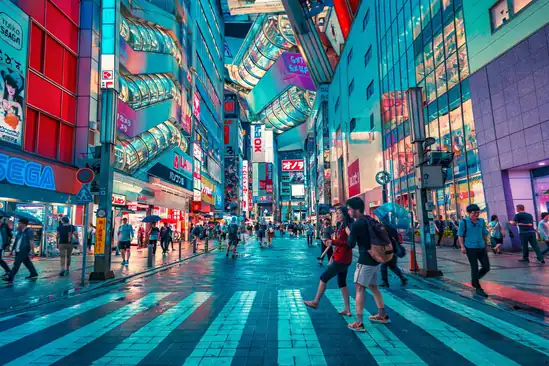
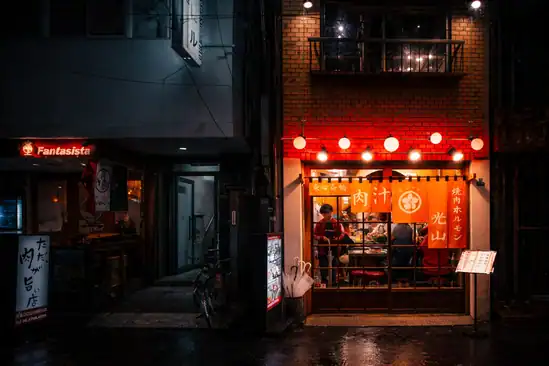
Cost of Living in Tokyo (What It Really Looks Like)
Tokyo’s reputation for expense is only partly deserved. Rent can be high, but many everyday costs are lower — and far more predictable — than in other global cities.
Typical Monthly Costs for One Person
| Expense | Monthly Estimate |
|---|---|
| Serviced apartment (central Tokyo) | ¥280,000 – ¥420,000 |
| Groceries | ¥40,000 – ¥60,000 |
| Transport (monthly commuter pass) | ¥10,000 – ¥18,000 |
| Utilities + Internet | Often included |
| Eating out (2–3× per week) | ¥30,000 – ¥50,000 |
| Gym / Fitness | ¥8,000 – ¥15,000 |
Local insight:
One of the biggest advantages of living in Tokyo is predictability. Transport costs don’t fluctuate, utilities are reliable, and eating well doesn’t require luxury budgets.
For many residents, serviced apartments simplify budgeting significantly — no setup costs, no contracts, and no surprises.
Food, Social Life & Everyday Comforts in Tokyo
What surprises many people about living in Tokyo is how domestic daily life becomes. Despite the city’s scale, most routines shrink quickly to a local radius.
Lunch is rarely a big decision. Office workers and remote professionals alike tend to rotate between a few dependable spots — a soba shop near the station, a basement curry place, a casual teishoku restaurant that does one thing well. Set lunches are quick, filling, and consistent, which makes eating out feel like part of the workday rather than a treat.
Evenings are similarly habitual. In many neighbourhoods, especially places like Azabu-Juban, Aoyama, or Meguro, social life centres on low-key izakaya, wine bars, or counter-only restaurants where regulars return week after week. These aren’t destination venues — they’re places you walk past every day, which is exactly why people use them.
Convenience stores play an outsized role in everyday comfort. Locals rely on them for breakfast, decent coffee, fresh snacks, bill payments, parcel pickup, and even hot meals late at night. Living within a few minutes of a good konbini is genuinely considered a quality-of-life advantage.
Tokyo’s food culture also removes friction from socialising. You don’t need reservations, long planning, or a big budget to eat well together. A spontaneous dinner after work is normal, and solo dining is completely accepted — which makes the city unusually comfortable for newcomers.
From a practical perspective, Tokyo is exceptionally well-suited to working life. Apartments are quiet, internet speeds are reliable, and cafés follow clear social rules: laptops are welcome during the day, shorter stays in the evening, and little pressure to order constantly. Many people split their days between home, a neighbourhood café, and occasional office time.
For those working across time zones, routines tend to adapt locally. Mornings might be slower, with errands or gym time nearby; evenings more focused, once international calls begin. This is another reason neighbourhood choice matters — when your daily life happens close to home, flexibility becomes much easier.
For insight into how locals actually eat and socialise — especially outside tourist-heavy areas — Time Out Tokyo offers useful, neighbourhood-level coverage rather than just headline restaurants: 👉 https://www.timeout.com/tokyo/food-drink
In Tokyo, comfort doesn’t come from novelty. It comes from repetition — knowing where you’ll eat, where you’ll unwind, and how your day will unfold.


Is living in Tokyo a good idea Long-Term?
For many people, Tokyo becomes a place they stay far longer than planned.
It’s not a city that tries to impress you every day. Instead, it earns loyalty through consistency. Trains arrive when they should. Streets are clean. Services work. And daily life unfolds with a sense of order that becomes deeply reassuring over time.
Tokyo suits people who value structure and efficiency, but it also rewards those who take the time to find their own rhythm. Once you settle into a neighbourhood, life becomes surprisingly contained — the same routes, the same cafés, the same shops, the same faces. The city’s scale fades, replaced by a sense of familiarity that’s rare in a global capital.
This isn’t spontaneity in the European sense. You won’t stumble into late nights by accident or drift between neighbourhoods on a whim. But what Tokyo offers instead is comfort, safety, and a level of everyday reliability that makes long-term living feel easy rather than exhausting.
That’s why choosing where you live matters more here than almost anywhere else. The right neighbourhood shapes how often you walk, where you eat, how you socialise, and how much of the city you actually experience. Areas like Roppongi, Azabu, Shibuya, Shinjuku, and Shinagawa all offer very different versions of Tokyo life — from international and central to calm and residential.
For people arriving for a medium- or long-term stay, serviced apartments are often the most practical way to start. They allow you to live comfortably from day one, without long contracts or setup costs, while you learn the city and decide what kind of Tokyo suits you best.
👉 Explore current Tokyo listings
Tokyo rarely overwhelms once you’ve settled. Instead, it becomes steady, dependable, and quietly absorbing — a city that reveals itself not through highlights, but through everyday life.