


Saint-Tropez still holds a singular place in the Riviera imagination, but in 2026 it rewards deliberate planning more than automatic aspiration. Here is what still matters, what now feels harder, and who it suits best.


Introduction
Saint-Tropez still occupies an outsized place in the imagination of the French Riviera. Plenty of places on this coastline offer beauty, sea views and a polished summer mood, but very few carry the same symbolic weight. Even people who have never been there tend to arrive with a ready-made picture in mind.
That is precisely why Saint-Tropez needs a clearer reading in 2026. Its appeal has not disappeared, but the way people experience it has become more dependent on timing, logistics and expectations. It remains seductive, but not in a frictionless way. For some travellers that is part of the point. For others, it is a reason to visit selectively rather than build an entire stay around it.
This is what still makes Saint-Tropez compelling, what now feels more demanding, and why it continues to matter when chosen deliberately rather than automatically.

Why Saint-Tropez still dominates Riviera imagination
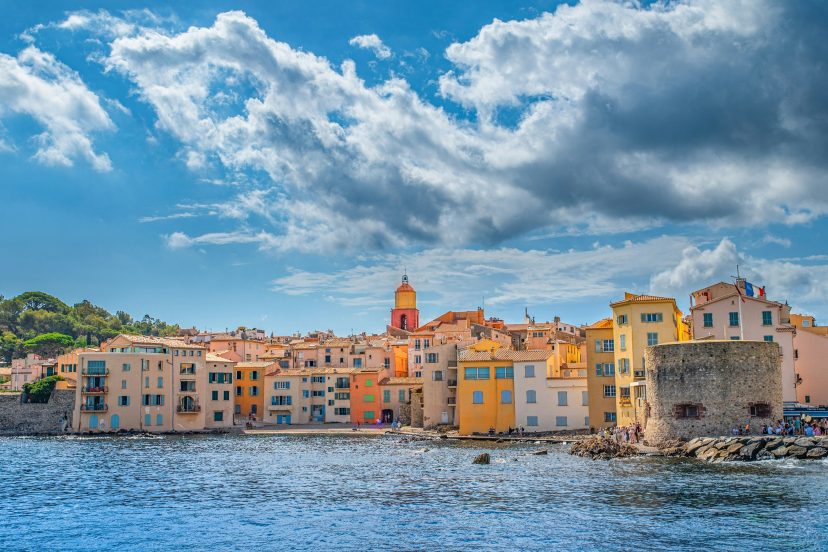
Saint-Tropez remains one of those destinations where atmosphere does as much work as scenery. The harbour, the old streets, the beaches and the ritual of being seen all contribute to a place that feels larger than its physical size. Around the Vieux Port, café terraces, polished tenders and a steady flow between waterfront and lanes help create that effect, while the old quarter behind the port keeps the setting from feeling like a stage set alone.
It is not simply a seaside town with strong branding. It is a destination where image and setting are unusually intertwined. The appeal runs from harbour life to beach culture and into the compact historic centre, so the place carries a sense of occasion even in ordinary movements between lunch, the waterfront and the evening promenade.
That matters because the draw is not only about what you do there. It is also about what the place represents: Riviera glamour in a concentrated form, a long-established social stage, and a visual identity that still separates it from more everyday coastal bases.
In 2026, that symbolic role is intact. What has shifted is the degree to which visitors need to work around the destination rather than expect the destination to work around them.
Why Saint-Tropez still dominates Riviera imaginationSaint-Tropez remains one of those destinations where atmosphere does as much work as scenery. The harbour, the old streets, the beaches and the ritual of being seen all contribute to a place that feels larger than its physical size.

What has changed in how people approach Saint-Tropez
The clearest change is not that Saint-Tropez has become less desirable. It is that desirability no longer guarantees ease. Across the Riviera, travellers are more alert to the practical side of a stay: how simple it is to arrive, how easy it is to move around, and whether the setting suits a few intense days or a longer rhythm.
Saint-Tropez asks more of that planning than Nice or Cannes. Official guidance on planning your journey to Saint-Tropez makes this plain enough. Reaching the town can involve road, boat, bus or train connections rather than a single effortless arrival. That does not make it inaccessible, but it does make it less straightforward than destinations where airport, rail and city infrastructure line up more neatly.
This is part of a wider Riviera distinction in 2026. Nice continues to function as the main practical gateway, with regional access from Nice supported by airport, tram and rail connections, while the tram connection between Nice Airport and the city reinforces how usable that arrival point is for longer, more everyday stays. Saint-Tropez, by contrast, still feels like a place you choose on purpose.
That shift in planning expectations changes the kind of visitor experience people tend to have. A stay often works best when built around the destination’s rhythm, not when treated as a simple, interchangeable stop on the coast.
What remains compelling
Atmosphere that still feels singular
For all the mythology around Saint-Tropez, one reason it endures is that it still delivers a recognisable atmosphere on the ground. Around the harbour and into the compact old centre, the visual polish, beach culture and social choreography create a heightened version of the Riviera rather than a generic resort experience.
Some destinations are admired in photographs more than in person. Saint-Tropez is not really one of them. It still has the ability to make a short walk between the port and the lanes behind it, a beach lunch or an early evening harbour scene feel like an event in itself.
Exclusivity as part of the appeal
It is also worth being honest about what draws many people here. Saint-Tropez has never depended solely on landscape or convenience. Part of its appeal lies in a certain exclusivity, whether social, aesthetic or simply logistical. A place that takes a little more effort to reach and navigate can, for some travellers, feel more distinct because of it.
That does not mean every visitor is chasing status. It means Saint-Tropez still trades in a rare combination of beauty, symbolism and theatre. The appeal runs from the harbour to the beach clubs and back into town, so even ordinary parts of the day can feel charged with a sense of occasion. In Riviera terms, that remains powerful.
A more present-day visitor offer
Another quiet change is that the destination now presents itself with more emphasis on usability than old myth alone. Official information on visitor infrastructure in Saint-Tropez highlights adapted transport, equipped beaches and municipal services.
That does not remove the destination’s exclusivity, but it does show a more practical, contemporary layer beneath the glamour narrative. In 2026, part of what remains compelling is precisely that combination: a place still defined by image and ritual, yet increasingly explicit about the everyday structures that make a stay workable.
The realities visitors need to factor in
Saint-Tropez works best when its practical constraints are understood in advance. The difficulty is not usually that something is impossible. It is that almost everything can require more timing, patience or spending than people first assume.
Crowd pressure and timing matter
High season intensifies the place’s strengths and weaknesses at the same time. The atmosphere is vivid, but so is the pressure on roads, parking and movement. It makes little sense to discuss Saint-Tropez without discussing when you plan to experience it. A shoulder-season stay or a carefully timed longer visit can feel far more balanced than a peak-period dash built around a fixed fantasy.
That does not diminish the destination. It simply reflects its scale and the concentration of demand it attracts.
Movement is part of the challenge
Official information on parking realities in Saint-Tropez underlines how structured parking management has become, including a 580-space underground car park at the entrance to town. The existence of that infrastructure is useful, but it also tells you something important: movement and arrival are central planning issues here, not minor details.
For drivers, even practical tasks can carry a higher planning burden in summer. The published high-season parking tariffs in 2026 are another reminder that transport decisions in Saint-Tropez shape the stay more than they might in a larger, easier city.
The gap between image and lived reality
This is where Saint-Tropez can disappoint people who arrive with a one-dimensional idea of it. If the expectation is endless ease, private fantasy and cinematic spontaneity, reality may feel more constrained. If the expectation is a place with genuine atmosphere that comes with pressure, ritual and some inconvenience, the experience often makes more sense.
Saint-Tropez is still glamorous, but glamour here is not the same thing as simplicity.
Who Saint-Tropez suits in 2026
Saint-Tropez tends to suit travellers who want a stay with a strong sense of place and who do not mind shaping their days around the destination’s demands. It works best for people who value atmosphere, beach culture and the feeling of being somewhere unmistakably itself.
It may be less suitable as a default base for visitors who prioritise seamless arrival, easy regional movement or a more everyday urban rhythm. That is especially true on longer stays, when practical repetition begins to matter as much as first impressions.
For some, Saint-Tropez is best approached as an intentional short stay or as a highlight within a wider Riviera plan. For others, it is worth committing to properly, but only if they genuinely want its particular rhythm and mood rather than simply its name.
If that is the case, browsing accommodation in Saint-Tropez makes sense before settling on a wider Riviera base. For travellers who want to lean into the destination rather than merely pass through it, options such as Saint Tropez Terrace or Salins Beach Sanctuary fit the idea of staying locally and experiencing the area more deliberately.
When Cannes or Nice may be the better base
There are good reasons some travellers now admire Saint-Tropez most when they do not base themselves there for an entire trip.
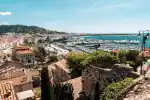
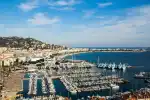
Cannes can be the more balanced choice for those who still want Riviera polish but with fewer day-to-day compromises. Official guidance presents it as an easier Riviera base, and that ease matters once your stay includes routine as well as spectacle.
Nice, meanwhile, is often the stronger option for travellers who want structure, access and a city that can sustain a longer stay without depending on high-season performance every day. It offers a broader urban life and a more practical arrival pattern, which is not the same kind of experience as Saint-Tropez but is often the more liveable one.
That does not make Saint-Tropez overrated. It makes it more specialised.
Saint-Tropez still works best when chosen consciously
Saint-Tropez remains irresistible to many people because it still offers something the rest of the Riviera cannot quite replicate: a concentrated blend of beauty, mythology and social theatre. In 2026, that core appeal is still intact, whether you are thinking of the Vieux Port, the lanes of the old town or the beach rhythm that extends out towards places such as Les Salins and Pampelonne.
What has changed is that visitors benefit from seeing the destination more clearly. It is not the obvious answer for every Riviera trip, and it does not reward vague planning. Arrivals, parking, beach days and even simple movement between town and coast all shape the experience more than many first assume. But for travellers who understand those trade-offs and actively want what Saint-Tropez uniquely does, it still more than justifies its hold on the imagination.
The key is simple: choose it for what it is now, not only for what it has long represented.