
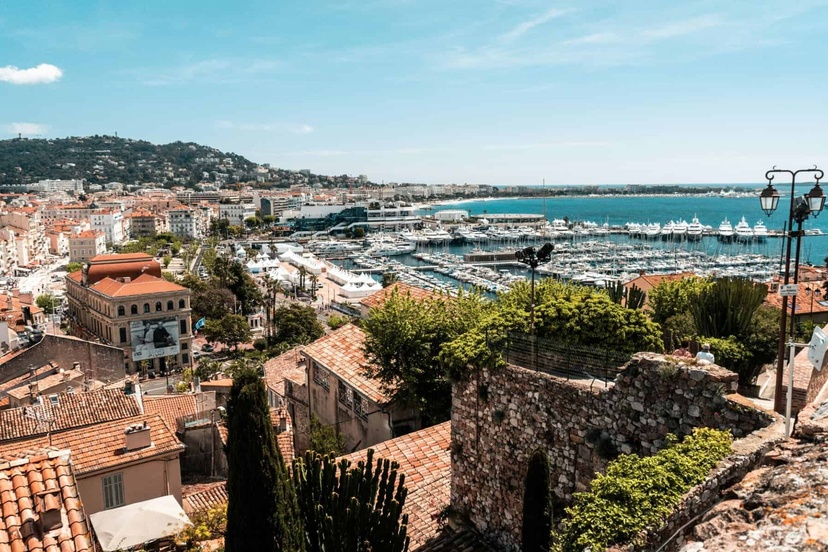






For travellers who want the French Riviera to work in real life rather than just in photographs, Nice still makes a strong case in 2026. Its appeal is not only the seafront, but the way the city supports longer stays through transport, neighbourhood variety and a pace that remains usable beyond peak season.


Why Nice often answers a different Riviera question
The French Riviera still draws people for familiar reasons: light, sea, architecture, terrace life and the sense that the coast offers a slightly more open version of everyday living. But in 2026, many travellers are choosing their base with a more practical question in mind. Not simply where looks most iconic for a few days, but where works well over time.
That is where Nice keeps its advantage. It offers Riviera atmosphere without requiring every day to be planned around traffic, event calendars or high-season intensity. For longer stays especially, the city makes sense because it is usable. Arrival is straightforward, moving around is relatively simple, and the city has enough neighbourhood variation to feel lived-in rather than staged.
This does not make Nice the answer for everyone, and it would be too neat to call it the best base in every case. What the evidence supports more clearly is that it remains one of the easiest and most practical places to stay on this stretch of coast, particularly for visitors who want independence, routine and regional flexibility.

What has changed in the way people choose a Riviera base
For Nice, the most important shift is a simple one: practicality now matters more in the choice of base. Travellers staying longer are increasingly looking for the Riviera to support ordinary routines as well as leisure. That puts more weight on airport access, public transport, walkable daily life and the feel of a place beyond its most photographed moments.
Nice benefits from that change in priorities. It offers a clear Riviera identity, but also the infrastructure that makes everyday movement easier. Official guidance from Lignes d’Azur on the tram connection between Nice Airport and the city confirms that tram line 2 links the airport terminals with Jean Médecin in the centre and Port Lympia. The airport also explains regional access from Nice via Nice Saint-Augustin station and frequent coastal rail services. Those are not glamorous details, but they shape the experience of a stay from the moment you arrive.
On a coastline so often framed through image, Nice continues to benefit from something quieter and more durable: it is easy to reach, easy to understand and relatively easy to use well over time.
What has changed in the way people choose a Riviera baseFor Nice, the most important shift is a simple one: practicality now matters more in the choice of base. Travellers staying longer are increasingly looking for the Riviera to support ordinary routines as well as leisure.
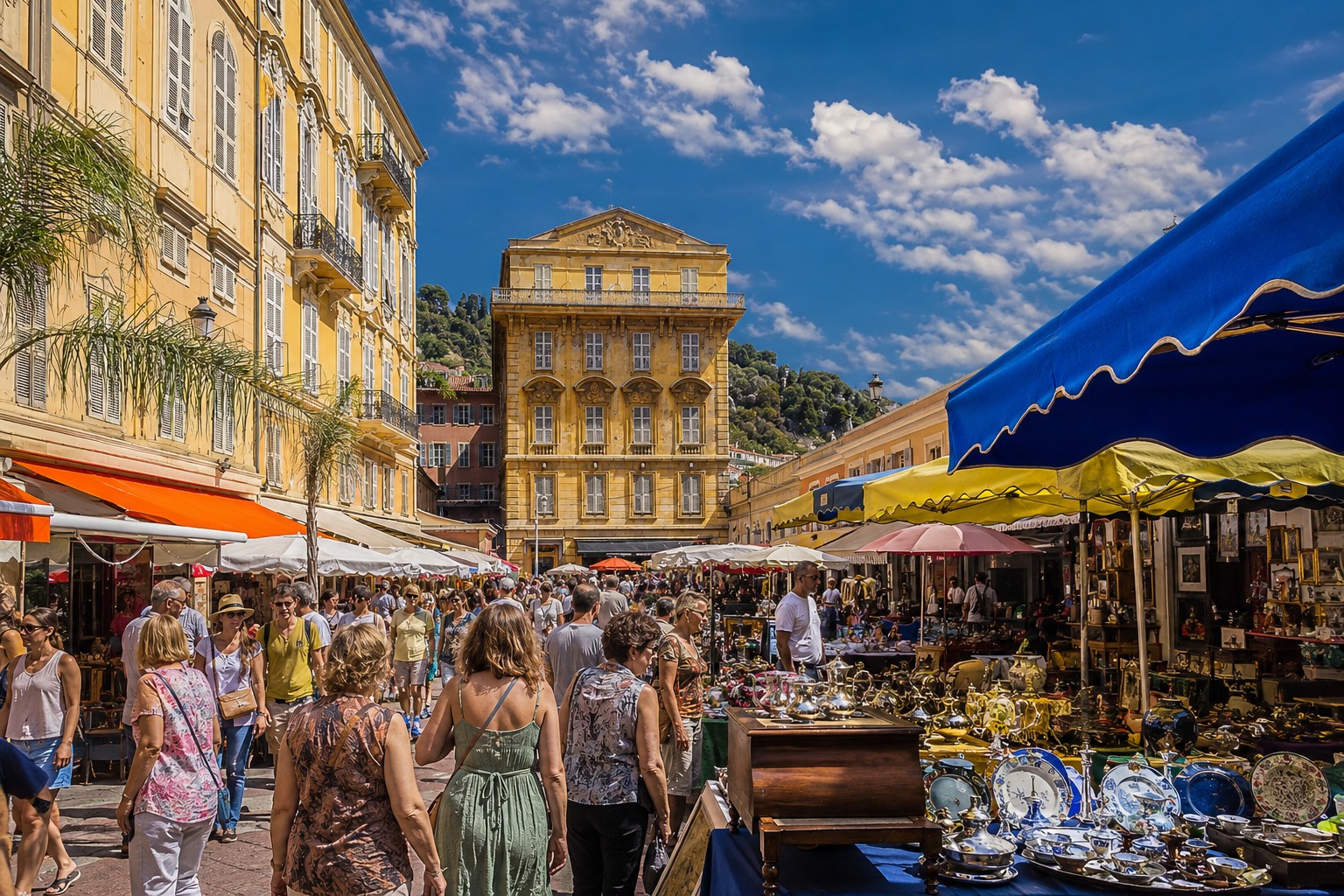
The appeal of Nice beyond the obvious seafront image
Nice does not need help with postcard appeal. The bay, the light and the long sweep of the Promenade des Anglais still do their work. What keeps the city relevant, though, is that its identity extends beyond the seafront. It has urban depth.
That depth is partly historical. Nice’s UNESCO World Heritage status as the “Winter Resort Town of the Riviera” reflects a city shaped not only as a summer escape but as a place designed for seasonal living, social life and urban comfort. In 2026, that matters because it helps explain why Nice still feels substantial when beach weather is not the whole point.
It is also visible in the city’s green and civic spaces. The official city page for Promenade du Paillon describes a 12-hectare central urban park, and that kind of space changes how a stay feels. Nice is not only somewhere to pass through on the way to a beach club or evening reservation. It is a city where people can walk, pause, cross neighbourhoods and keep a looser daily rhythm.
That distinction becomes more important on a longer trip. The Riviera fantasy can be powerful, but fantasy alone wears thin if every simple task takes effort. Nice tends to hold up better because its appeal is not limited to spectacle.
How day-to-day convenience shapes a better long stay
Longer stays are often decided by unglamorous details. How quickly can you get in from the airport? How easy is it to move between districts? Can you take a train along the coast without turning each outing into a project? Does the city support both active days and ordinary ones?
Nice performs well on those questions. The direct tram service provides easy airport-to-city access, which removes one of the common stresses of coastal travel. The airport’s own guidance on rail access across the coast also underlines how workable Nice is for day trips or split-routine stays, with frequent services on the Cannes-Nice-Monaco-Menton corridor.
That transport logic changes the experience of the Riviera. Nice lets people stay with less dependence on a car and with fewer all-or-nothing decisions. You can build a stay around local routine, then add regional movement when it suits. That is one reason the city often feels more forgiving than places where access is part of the performance.
Accommodation choice also shapes that experience. Readers exploring a seafront stay can look at the Promenade des Anglais Aparthotel, while those drawn to a more functional everyday base may find the Nice Riquier Aparthotel a more natural fit. The point is less about one property than about the city’s range: Nice can support different versions of a longer stay without losing coherence.
Who Nice suits best in 2026
Nice tends to suit travellers who want the Riviera to function as part of daily life rather than as a constant special occasion. That includes people staying for more than a few nights, visitors combining work and leisure, and anyone who prefers a city with options rather than a resort atmosphere that can narrow quickly outside peak moments. In practical terms, it is a place where mornings can begin on the Promenade, errands can be handled in the centre, and an afternoon train east or west along the coast remains a realistic choice rather than a full logistical exercise.
It is especially strong for people who value:
- simple arrival and departure logistics
- public transport that reduces reliance on a car
- the ability to mix promenade time with ordinary city routine
- neighbourhood variety over a single polished scene
- access to the wider coast without changing base repeatedly
It also tends to work well for travellers who want some latitude in how a stay unfolds: a seafront walk one day, a quieter neighbourhood rhythm the next, then Monaco, Menton or Cannes as an outing rather than a relocation. That is the quieter advantage Nice keeps in 2026. It supports routine without flattening the Riviera experience into something merely functional.
By contrast, travellers seeking a more concentrated event atmosphere or a deliberately image-led stay may look elsewhere. Nice is attractive precisely because it does not demand that every day feel curated.
Where Nice sits in relation to Cannes and Saint-Tropez
If Nice makes sense as a long-stay base, it is partly because the comparison set on this stretch of coast is so specific. Cannes and Saint-Tropez are not weaker versions of the same idea; they answer different Riviera expectations.
Cannes can suit travellers who want a polished central-western Riviera base with a stronger event identity and a more concentrated centre around the Croisette and Palais area. Its calendar is part of its character, and that can be a real advantage for some stays. Readers comparing options can browse accommodation in Cannes if that setting feels closer to what they want.
Saint-Tropez, by contrast, remains more selective and more seasonal in feel. The official visitor guidance on getting to Saint-Tropez makes clear that onward travel is more layered than arriving in Nice, whether by road, boat or connecting transport. Even practical matters such as parking in Saint-Tropez require more deliberate planning. For some travellers that is part of the destination’s appeal; for longer, easier stays it can feel like unnecessary friction.
Nice sits in a different position. It offers Riviera beauty with a fuller urban framework behind it: an airport at the edge of the city, rail connections running along the coast, and neighbourhoods that support ordinary routines as well as seafront time. That balance helps explain why people often return to Nice as a base, even when Cannes or Saint-Tropez remain part of the same trip. It also sets up the next practical question well: not just where to stay, but how pace, timing and expectations shape whether the city feels right once you are there.
How to think about timing, pace and expectations
Nice is often strongest when approached with realistic expectations. It is not a private version of the Riviera, and it is not insulated from the pressures that shape the wider coast in busy periods. Tourism intensity, housing pressure and seasonal demand all affect how the city feels on the ground, from the Promenade and Old Nice to transport, reservations and the general rhythm of the centre.
That said, Nice remains more adaptable than many Riviera clichés suggest. Its appeal is not confined to peak-summer imagery, because the city functions as more than a seafront backdrop. The tram, the central parkland of Promenade du Paillon, the rail links along the coast and the mix of neighbourhoods beyond the postcard frontage all help support slower routines as well as holiday patterns. That is part of the reason Nice continues to work well in shoulder season, and for visitors who want the sea to be part of daily life rather than the whole agenda.
In practice, pace matters as much as timing. Nice tends to reward travellers who do not expect every hour to feel exceptional, but who value walkability, repetition, local variation and the freedom to let some days stay ordinary. If that is your idea of a successful Riviera base, Nice is likely to feel more persuasive in person than some of the coast’s more image-led alternatives.
Nice as the Riviera choice for real routines
What keeps drawing people to the Riviera in 2026 is not only glamour. It is also the promise of a coastal life that still feels appealing when translated into ordinary days. Nice continues to make that promise more credibly than many places because it combines atmosphere with function: the seafront and Old Nice on one side, practical movement through the city on the other, with the airport tram, coastal rail access and central spaces such as Promenade du Paillon helping daily life feel manageable rather than performative.
For longer stays, that combination matters. Nice offers a recognisable Riviera setting, but also the kind of grounded urban structure that supports repeat routines: neighbourhood variation, straightforward arrivals, and the ability to move between promenade time, errands, cafés, rail outings and quieter residential streets without changing base. If that is the version of the Riviera you want, you can explore stays in Nice or browse other locations to compare what kind of base suits your trip best.