
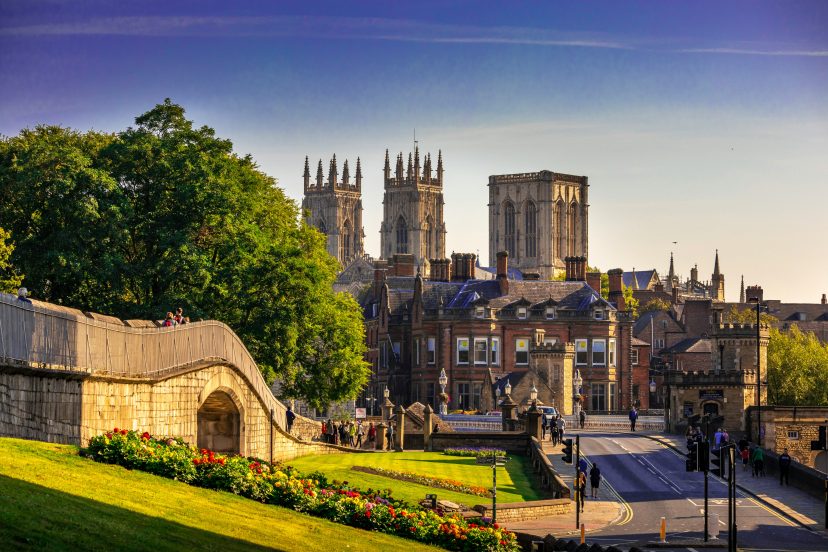






York rewards visitors in a way few cities its size can. Its great strength is not just the headline landmarks, but how naturally they fit into the shape of an ordinary day: a station arrival, a short walk into the old streets, a cathedral rising above shops and cafés, walls that still guide your route, and museums that give substance to what you are seeing. For UK holiday makers and international travellers alike, it is a city that feels both famous and manageable.

Introduction
York makes a strong case for itself almost immediately. Arrive through York station, walk a short distance, and the city begins to reveal its character at once: historic streets, towers lifting above the roofline, cafés already full of life, the river nearby, and a centre where people move mostly on foot.
That first impression matters. York feels substantial without feeling sprawling. It carries the cultural weight of a place that could be dense or demanding, yet one of its real pleasures is how quickly it becomes legible. Major sights sit close together. Small detours rarely feel wasted. A simple walk to lunch can turn into an encounter with old walls, a market lane or a museum you had not planned to find.
For anyone deciding where to go next in the UK, whether for a weekend break or as part of a longer trip through northern England, visit York is advice that starts to make sense as soon as you arrive. The city is undeniably handsome, but that is not the main reason to put it on your list. What makes York memorable is that its history is not tucked away behind ticket desks and guidebooks. It is built into the streets themselves.

A city where history is part of the route, not a separate attraction
What makes York stand out is not simply that it has historic landmarks. Plenty of places do. York’s distinction lies in how many different layers of its past remain visible within a compact centre, and how naturally they enter an ordinary day of walking, eating, shopping and looking around.
York Minster is the clearest example. It dominates the city visually, but it also shapes the mood of the surrounding streets. You do not experience it only as a destination to tick off. You keep coming back into its orbit as you move through the centre.
The same is true of York’s city walls. They are not just a historic remnant to glance at from below. They still help define the city and the way many visitors understand it, offering a sense of enclosure, orientation and continuity that is rare in a modern urban break.
Then there are the medieval streets, especially the Shambles, where the appeal goes beyond a quick photograph. The street’s long commercial history is part of why it still feels like more than scenery. Elsewhere, the city opens up into broader spaces and views, so the experience never becomes one-note.
Clifford’s Tower, the principal surviving part of York Castle, adds another perspective altogether. It is a reminder that York’s story is not just ecclesiastical or picturesque. It is also defensive, political and urban, with traces that survive in fragments, routes and sightlines across the city.
This is what York does so well: it lets history accompany you rather than interrupt you. You are not constantly leaving the city to enter an attraction. In York, the attraction is often the city between attractions.
What makes York stand out is not simply that it has historic landmarks. Plenty of places do.
Why York works so well for a city break
York is unusually well suited to the short-break traveller. If you have only two days, you can see and do a great deal without spending the whole visit crossing from one distant district to another. If you have longer, the city has enough depth to reward a slower pace too, with time for museums, river walks and quieter streets beyond the busiest central lanes.
Its scale works in favour of almost every kind of visitor. Couples can keep plans loose and let the day unfold. Solo travellers can find their bearings quickly without overthinking transport. Friends can combine major sights with cafés, pubs and long walks. Multi-generational groups often find York easier than larger cities because the centre is legible and many of its highlights sit within comfortable walking distance of one another.
It also makes an especially strong introduction to urban England beyond London. For international visitors, that matters. York offers grandeur, historical range and familiar British city textures, but without the fatigue that often comes with a much bigger place.
Practical access adds to the appeal. York is easy to reach by train, with National Rail stating a London to York journey time of 1 hour 46 minutes. Once you arrive, the city lends itself to exploring on foot, and official guidance on getting around York can help first-time visitors settle into the layout.
Even so, York is not at its best when treated as a checklist. Popular central areas can become crowded, especially in peak seasons and around major events. For some headline attractions, pre-booking is recommended or advised at busy times, so a little planning ahead can make a short visit feel noticeably smoother.
The atmosphere of the streets: beyond the headline sights
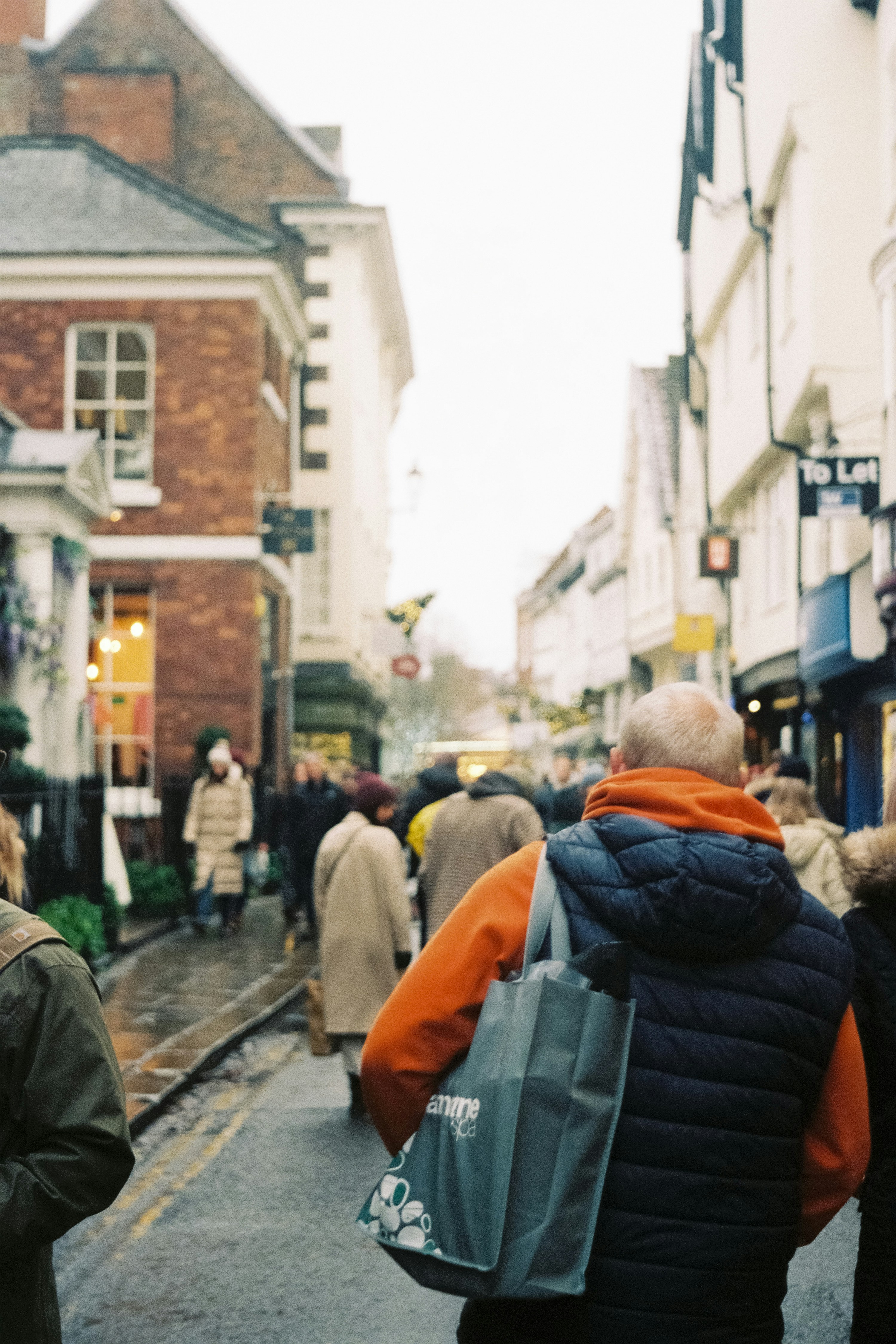
If York’s landmarks explain its importance, the streets explain its appeal. The centre changes character quickly as you walk. One moment you are in a busy retail stretch amid day-trippers, queues and people checking maps; a few turns later, the pace slackens. Part of York’s charm lies in those shifts.
The best way to understand the city is to leave room for them. Busy lanes and market spaces supply much of York’s energy, but they are only one part of the whole. The official York historic core character areas help explain why the centre can feel so varied within such a relatively small area.
That variation is easy to notice on foot. Bootham and Marygate, for example, have a different texture from the most crowded shopping streets, with more of the residential and institutional calm that gathers around important historic remains. Bishophill, enclosed by the walls, carries another mood again: quieter, more self-contained and less arranged around the visitor gaze.
Just as important are the open spaces that reset the day. York Museum Gardens are especially useful in that regard: central, accessible and noticeably calmer than the city’s most compressed streets. From there, the river often provides the next change of pace. The Ouse runs through York not as a decorative extra, but as one of the features that has shaped the city’s form and still alters how it feels to spend time here.
Riverside paths and views can bring relief after the densest parts of the historic core, especially in good weather or at the beginning and end of the day. The city’s current vision for York’s riversides reflects that role today: less commercial than in the past, more focused on amenity and recreation. It is worth remembering, though, that riverside conditions can vary, and flood-related disruption does sometimes affect parts of the experience.
Timing changes the atmosphere as much as place. Early morning can make central streets feel almost freshly drawn, while late afternoon often brings a second pulse of café stops and shoppers. In high season, you will meet a more crowded version of York than someone arriving on a winter weekday. Neither version is the whole truth. The city simply has different registers, and noticing them is part of understanding why it lingers in the mind long after the headline sights are done.
Museums, stories and cultural depth
If York were only a city of striking façades and atmospheric walks, it would still justify the journey. What elevates it is the quality of the interpretation once you want more than first impressions.
The museum offer is wide-ranging without blurring into repetition. The JORVIK Viking Centre remains one of the most direct ways into York’s Viking-age history, and its connection to place matters as much as its subject matter: it stands where excavations by York Archaeological Trust took place between 1976 and 1981.
The Yorkshire Museum opens the lens wider, bringing Roman and medieval York into view through collections that help explain the city beyond its surfaces. York Castle Museum takes a different route, using social history, reconstructed interiors and former prison buildings to make the past feel inhabited rather than distant.
The National Railway Museum shifts the emphasis again. It is a useful corrective to any narrow idea of York as only a medieval or ecclesiastical destination. The city is also deeply tied to the railway story, and the museum’s attention to the past, present and future of railways adds a distinctly modern layer to the historical picture.
Taken together, these places keep York from becoming mere scenery. They give shape to what you have already seen in the streets, turning atmosphere into understanding. Architecture is one part of the story; the rest lies in how people lived, travelled, traded, worshipped and governed across very different centuries.
That depth is part of why York rewards repeat visits. A first stay may naturally gravitate towards the Minster, the walls and a handful of famous streets. Return, and the city often opens along different lines: through excavation, transport, domestic life and the less obvious strands of its past. York accommodates both approaches with unusual ease.
Food, drink and the rhythm of a day in York
York would be harder to love if it functioned only as a heritage backdrop. Happily, it feels inhabited rather than staged. A good day here tends to find its own rhythm: coffee, a long walk, a museum, lunch, another loop through the centre, perhaps time by the river, then dinner or a pub as evening settles in.
That is the best way to think about food and drink in York. The appeal lies less in grand claims about scene or status than in how easily places to eat and pause fold into the day. Tea rooms, cafés, pubs, independent restaurants and market options all sit naturally within a city explored on foot. You rarely need to structure everything around a booking or destination, because somewhere inviting usually appears along the way.
Shambles Market is part of what stops the centre feeling too polished. It offers a more informal counterpoint to the city’s major monuments and traditional interiors, and still reflects the role of a managed market space in the centre rather than reading as a purely tourist display.
The riverside shifts the mood as well. The Ouse and Foss help define central York, and their presence matters experientially as much as historically. After the close medieval grain of the core, time near the water can make the city feel wider, looser and less compressed.
For many visitors, that balance is one of York’s quieter strengths. You can have a day full of culture without it tipping into something dutiful. The city leaves space for ordinary pleasures, and is better for it.
Who York suits best
York is especially rewarding for travellers who want a city break with character, substance and a palpable sense of place. It suits people who prefer to walk rather than shuttle between far-flung neighbourhoods, who enjoy architecture that carries its history openly, and who value city centres still shaped in part by independent businesses rather than only by chains and spectacle.
It also makes a particularly good choice for first-time visitors to northern England. York is easy to read, straightforward to navigate and full of recognisable landmarks, yet it retains enough texture to feel specific rather than interchangeable.
That does not mean it suits every taste in the same way. If your ideal break depends on contemporary skyline districts, major late-night culture or the restless energy of a fast-changing urban edge, other UK cities may be a better fit. York’s strengths lie in concentration, continuity and atmosphere, not in scale or modern spectacle.
Choosing where to stay in York
Where you stay makes a real difference in York because the city’s pleasures are so tied to walkability. For many visitors, the best base is within or close to the centre, where you can step out early, return for a break and head back into the city without spending time on repeated journeys.
If you are at the stage of comparing options, the main place to start is this guide to serviced accommodation in York. It gives a broader view of what is available depending on how central, quiet or riverside you want your stay to feel.
A few options fit naturally with different versions of the city experience. Travellers wanting to stay in the middle of York’s most recognisable historic streets may like stay near the Shambles, where the appeal is immediate access to the old core. If being close to one of York’s defining features matters more, a base near York’s historic walls suits the city’s heritage-led rhythm particularly well. And for visitors drawn to the calmer side of the centre, staying by the River Ouse can bring a slightly more spacious feel to mornings and evenings.
The key point is less about any single property than about location logic. In York, a well-placed base lets you experience the city as it is best experienced: on foot, in layers, with room to wander.
Why York earns repeat visits
York is easy to recommend because it delivers quickly. The landmarks are real, the history is legible and the centre is welcoming to people who want to explore without overcomplicating things.
But the better reason to put York on your list is that it keeps unfolding after the first impression. Its strength lies in density of experience rather than sheer quantity of attractions. A wall walk, a museum visit, a turn through quieter streets, time by the river, a meal after dark: these things sit close together and yet reveal different versions of the city.
That is why York works for first visits and why it often rewards a second one too. It is not simply a place of famous sights. It is a city with a coherent shape, and once you have moved through it at your own pace, it tends to stay with you.
If you are planning a trip, browsing serviced accommodation in York is a sensible next step. The city does not ask much of the visitor beyond time and attention, and it gives a great deal back in return.
Practical notes before you go
- York’s busiest central areas can feel crowded at peak times, especially around major landmarks and popular shopping streets.
- Some attractions recommend or advise pre-booking during weekends, school holidays or other busy periods.
- Historic streets can be uneven, and York’s footstreet system affects vehicle access in the centre. Check official city-centre access information if accessibility is important for your trip.
- It is also useful to be aware of pedestrianised central streets when planning drop-offs, parking or taxi access.